
Buying a used electric scooter
You are buying one component and inheriting three. The battery is the expensive one, its condition is invisible, and there is no odometer you can trust — so the inspection has to do the work the paperwork cannot.
By Ryder M. · Published October 17, 2026
Kick & Volt earns a commission when you buy through our Amazon links, at no extra cost to you. It never changes what we recommend or how we rank it — read the full disclosure.
The short answer
Buy used only if you can ride it, check the fold joint and both brakes, and see a charge cycle — and only if the saving is large. The battery is 40% or more of what a scooter is worth, its state of health is invisible, and no scooter has a verifiable odometer. Below about $400 the second-hand market competes with real new scooters: the GoTrax G4 lists at $439 with 14.6 measured miles and a 20 mph measured top speed (Rider Guide, Sep 2026). Above that, a well-inspected used machine can be a genuine bargain.
The battery is the whole risk
Everything else on a scooter is cheap, visible or both. Tires wear and you can see it. Brake pads wear and you can feel it. A bent rotor is obvious. The battery is the one component that is expensive, consumable, impossible to inspect from outside, and the single thing that decides whether the scooter is worth owning.
Lithium packs decline gradually over hundreds of charge cycles, so a three-year-old scooter ridden daily may have half the range it left the factory with — and the only honest way to find out is to ride it until it stops. Nobody selling a scooter will let you do that, which is why the next-best test is in the inspection list below.
It also matters that the figure you are comparing against is already inflated. Across the twelve-model claimed-versus-tested study this site is built on, new scooters delivered an average of 71% of their advertised range and the worst delivered 53% (Rider Guide, Sep 2026). So a used scooter advertised with a “30 mile range” was realistically a 21.3-mile scooter when new, before any degradation. Real-world range against claimed has the table, and battery life and replacement covers what a pack costs to replace and whether it is serviceable at all.
The eight-point inspection
Do all eight, in this order, in daylight, before any money changes hands.
- Battery percentage against a charger. Ask the seller to have it part-charged rather than full, then watch it charge for ten minutes. A pack that jumps 20% in ten minutes or refuses to climb at all is telling you something. A full battery on arrival hides the most diagnostic thing you could have seen.
- Ride it, to full throttle, on a slope if there is one. A failing pack sags under load — the scooter will feel fine on the flat and give up on a hill. This is the single most informative two minutes of the inspection.
- The folding joint. Fold and unfold it three times. Any play, any click, any flex at the stem base is the one structural fault on a folding scooter that is genuinely dangerous and genuinely hard to fix.
- Both brakes, independently. Each should stop the wheel with lever travel left over. Pull them hard at walking pace, listen for scraping, and look at the rotor for wobble. Brake troubleshooting covers what each symptom means and what it costs to put right.
- Tires and the valve. Check tread depth, sidewall cracking and, on pneumatic tires, whether they hold pressure. A tubed rear tire on a hub-motor wheel is an awkward job — tires explained covers the constructions and which ones punish you.
- Deck and stem for crash damage. Scuffs are nothing. A dented deck, a scraped stem clamp or a replaced handlebar means it went down, and a hard impact can damage a pack internally with no visible sign.
- Water evidence. Corrosion on the charge port, moisture behind the display, rust on the fasteners. A scooter that has been soaked and charged wet is a scooter with a problem in its future — IP ratings and wet weather explains what the rating does and does not promise.
- Charger and serial number. The original charger should be present; a mismatched one is both a fire risk and a hint. Photograph the serial number and check it is not filed or over-stickered.
When a new scooter is cheaper
Four new scooters with independently measured figures at the budget end of the market. If a used machine is not comfortably below these, buy new: you get the full battery life, a warranty and a measured number instead of a seller’s word.
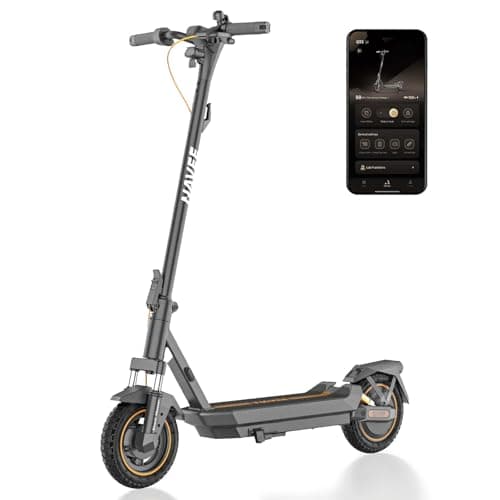
23.3 measured miles and an IPX5 rating from a scooter positioned at the budget end — the best value in the measured data.
#ad How we are funded · Price as of November 14, 2026

Rider Guide's best-under-$500 pick: 20 mph, 14.6 miles and 37.4 lb.
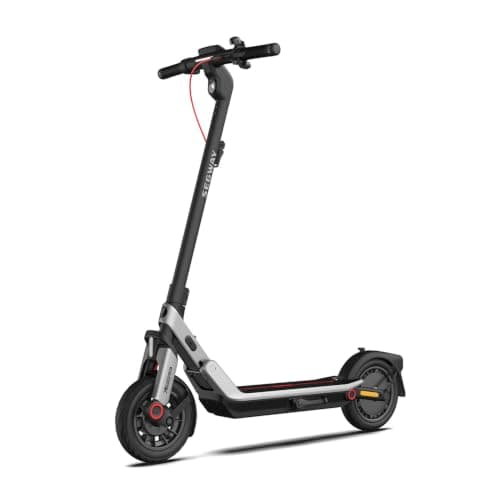
The conservative budget pick: 17.2 measured miles, IPX5, and the largest service network in the category behind it.
#ad How we are funded · Price as of November 14, 2026
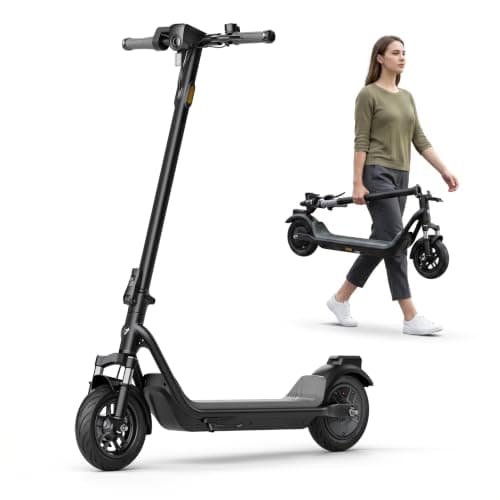
NIU KQi 100F
A genuinely cheap compact that measured 11.4 miles — enough for a short campus or last-mile hop and nothing more.
#ad How we are funded · Price as of November 14, 2026
Five questions for the seller
- “How long have you had it, and what did you use it for?” A two-mile daily commute and a food-delivery shift are different lifetimes on the same hardware.
- “How do you charge it?” Run flat and charged to 100% every night is the hardest cycle on a pack. Topped up in the middle of its range is the gentlest.
- “Has it been ridden or stored in the rain?” Then check the charge port yourself regardless of the answer.
- “Has it ever been dropped or crashed?” Pair with the deck and stem inspection. The answer matters less than whether it matches what you can see.
- “Do you have the receipt?” It dates the battery, establishes the model and trim, and in some cases means a transferable warranty. It is also the only protection against buying a stolen scooter — which, per the theft page, is a real market.
What not to buy used
| Model | Range | Top speed | Weight | Max rider | Motor | Brakes | IP | Price |
|---|---|---|---|---|---|---|---|---|
| NAVEE GT3 Pro | 23.3 milesMeasured | 20.6 mphMeasured | 48.5 lbMeasured | 265 lbMeasured | 400 WMeasured | Not published | IPX5Claim | $489.99 · View on Amazon #ad How we are funded · Price as of November 14, 2026 |
| GoTrax G4 | 14.6 milesMeasured | 20.0 mphMeasured | 37.4 lbMeasured | Not published | Not published | Not published | Not published | |
| Segway Ninebot E3 Pro | 17.2 milesMeasured | 19.3 mphMeasured | 40.1 lbMeasured | 265 lbMeasured | 400 WMeasured | Not published | IPX5Claim | $549.99 · View on Amazon #ad How we are funded · Price as of November 14, 2026 |
| NIU KQi 100F | 11.38 milesMeasured | 17.4 mphMeasured | 38.8 lbMeasured | 265 lbMeasured | 300 WMeasured | Not published | Not published | $399.00 · View on Amazon #ad How we are funded · Price as of November 14, 2026 |
Measured figures come from a named third-party test; Claim figures come from the manufacturer. Sources are listed under each model below. Price links are paid affiliate links. Empty specifications read “Not published” rather than being estimated.
Three categories we would walk away from.
- Any scooter with a non-original or missing charger. The charger is matched to the pack and its BMS. This is the one item on the list where the risk is fire rather than money.
- A model whose maker no longer exists. Half this category’s brands sell direct, and a direct-sales brand that has gone quiet takes its parts supply with it. Repairs, parts and service works through what each buying channel means later, and it matters far more on a used scooter than a new one.
- Anything that was never properly specified when new. If the model published no IP rating, no payload figure and no brake type, a used example tells you even less. The spine of judging durability is published specification, and a scooter with none has nothing to judge.
What to pay
We hold dated purchase prices for some models and no second-hand pricing data for any, so we will not print a depreciation curve. What we can give you is the floor that makes the decision, because the new-scooter end of the market sets it.
The GoTrax G4 lists at $439 for 20 mph and 14.6 measured miles, and the GoTrax A5 at $300 with a built-in seat and a 220 lb rating (Rider Guide, Sep 2026) (Rider Guide, Sep 2026). A used scooter has to be meaningfully below the new price of something comparable to be worth the battery risk — and if the saving is only 20%, you are paying most of the price for an unknown fraction of the battery. What an electric scooter costs maps the bands, and the $300 round-up and the $500 round-up are where the comparison actually happens. We never print a current price; every buy control on this site checks Amazon instead.
What we do not know
Frequently asked questions
▸Is it worth buying a used electric scooter?
It can be, if you can ride it before buying and the saving is large. The battery is 40% or more of the value, its condition is invisible, and there is no verifiable odometer — so a 20% saving is rarely worth the risk, while a 50% saving on an inspected scooter often is.
▸How do I check a used scooter's battery?
Two things. Watch it charge for ten minutes from a part-charged state — not full, which hides everything. Then ride it at full throttle, ideally up a slope: a failing pack feels fine on the flat and sags under load.
▸How long do electric scooter batteries last?
They decline gradually over hundreds of charge cycles rather than failing suddenly. Nobody publishes per-model lifespans, so treat any specific year figure with suspicion, and assume a heavily used scooter has lost range you cannot see.
▸What is the most important thing to check on a used scooter?
The folding joint and the battery under load. The joint is the one structural fault that is both dangerous and expensive; the battery is the one component whose condition decides whether the scooter is worth owning.
Read next
Kick & Volt does not ride or bench-test scooters. Every real-world figure on this page is attributed to the third party that measured it — how we research this.