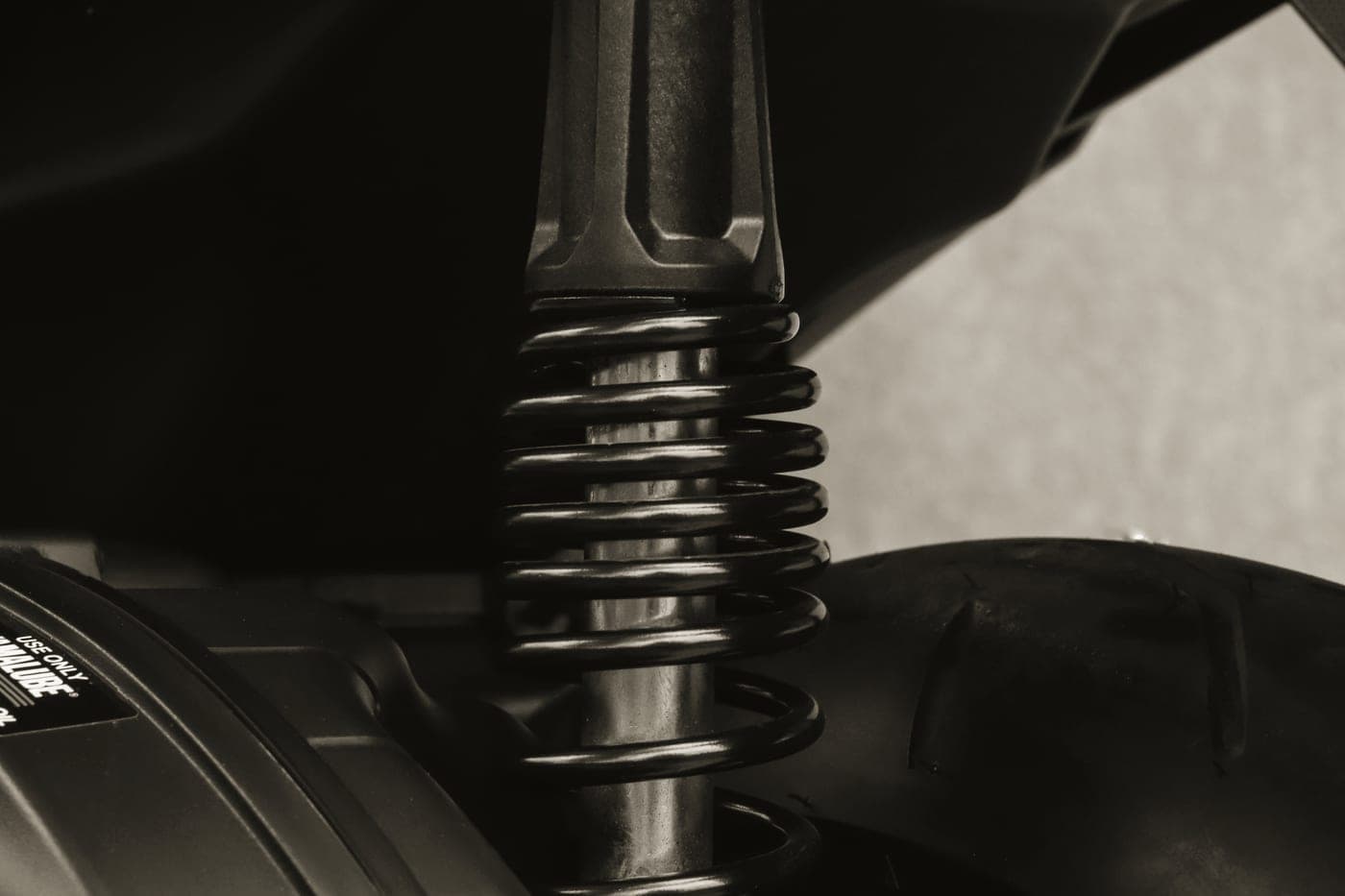
Electric scooter repairs, parts and service
Half this market sells through Amazon and half sells direct, and that single structural fact decides what happens the day something breaks. Four failure points, two supply chains, and the specs worth buying for serviceability.
By Ryder M. · Published October 17, 2026
Kick & Volt earns a commission when you buy through our Amazon links, at no extra cost to you. It never changes what we recommend or how we rank it — read the full disclosure.
The short answer
Where you buy decides how you get parts, and that matters more than any individual component. Segway, NIU, NAVEE and GoTrax sell through Amazon and conventional retail, so tires, pads and replacements move through normal channels. VMAX, EMOVE, Varla, Kaabo, Nami, Solar, JackRabbit, Hiley and INMOTION sell direct — more than half our registry — which means one support relationship and a parts supply tied to that one company. Both can work. Only one of them still works if the company goes quiet.
The four things that break
A hub-motor scooter has no chain, no belt, no gearbox and no clutch. That short parts list is its great advantage, and it means ownership problems concentrate in four places.
- Tires — the most common by a distance. Punctures on pneumatic tires, and the awkward fact that the rear wheel usually contains the motor, so a rear tube change means dealing with the motor cable. Self-healing tubeless tires largely remove this; solid tires remove it entirely and charge you in ride quality. Tires explained covers the four constructions, and the solid-tire round-up is for riders who want the problem gone.
- Brakes — the most frequently adjusted. Cables stretch, pads glaze and wear, rotors bend. Almost all of it is adjustment rather than replacement, and almost all of it is a ten-minute job with a 5 mm hex key. Brake troubleshooting goes symptom by symptom.
- The battery — the expensive one. Gradual range decline is normal; a sudden collapse or a cut-out under load usually means a failing cell group. Whether a pack is replaceable at all varies by model and is rarely published. Battery life and replacement is the page on this.
- The folding joint — the one that matters. It is the only structural wear point on a folding scooter and the only failure on this list that is genuinely dangerous. Check it monthly, per the maintenance checklist, and treat any developing play as urgent.
Hub motors themselves rarely fail, because the part doing the work has no wearing contact surfaces inside it. Controllers and displays fail when they get wet, which is what an IP rating is actually about — IP ratings and wet weather.
Two supply chains
This is the structural fact most buying guides skip, and it is visible in our own registry: more than half of it has no Amazon listing, because VMAX, EMOVE, Varla, Kaabo, Nami, Solar, JackRabbit, Hiley and INMOTION sell their scooters direct and list only spare parts on Amazon, if that.
Retail-channel brands (Segway, NIU, NAVEE, GoTrax). Parts and whole-unit replacements move through the retailer, returns are straightforward inside the return window, and third-party consumables — tires, tubes, pads — are widely stocked because the models sell in volume. The widely observable fact that Segway runs the largest service and parts network in this category is reported as the observation it is on the Segway brand page.
Direct-sales brands (the rest). Often the better-engineered machines — EMOVE and Varla build hardware the retail brands do not — and one single relationship for everything: warranty, parts, advice. When that company is responsive it is the better experience. When it is not, there is no alternative channel, and a model-specific part has no substitute.
Neither is the right answer universally. Where to buy an electric scooter works through the channels themselves, and the brand ranking sets out what the measured data says about each manufacturer’s engineering priorities.
Scooters with conventional parts supply
Four scooters from brands that sell through conventional retail, which is the practical answer if parts availability is the thing you are optimizing for. Every range and speed figure below was measured by a named third party.
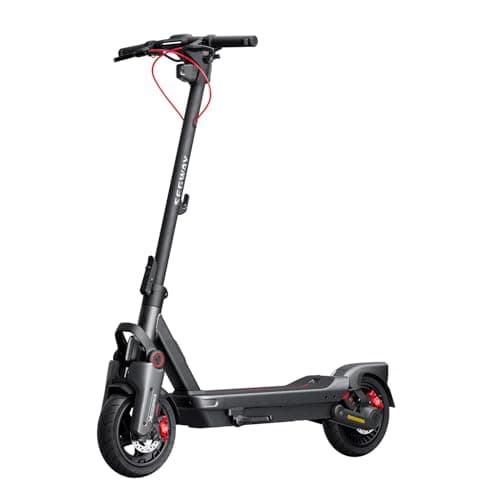
28 mph measured, IPX6, dual disc brakes and 286 lb of payload — the most complete mainstream commuter in the data.
#ad How we are funded · Price as of November 14, 2026
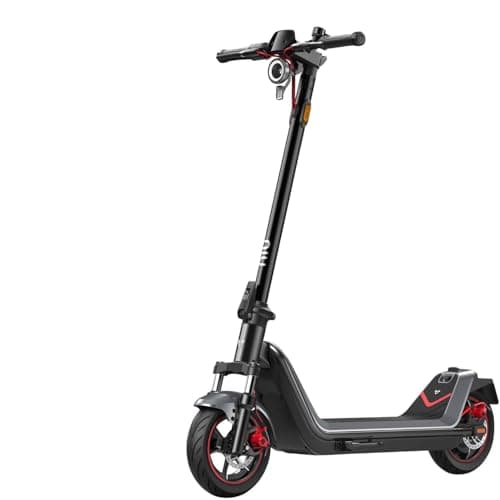
The balanced answer: 26.8 measured miles, 23.6 mph and dual disc brakes at a weight you can still fold into a trunk.
#ad How we are funded · Price as of November 14, 2026
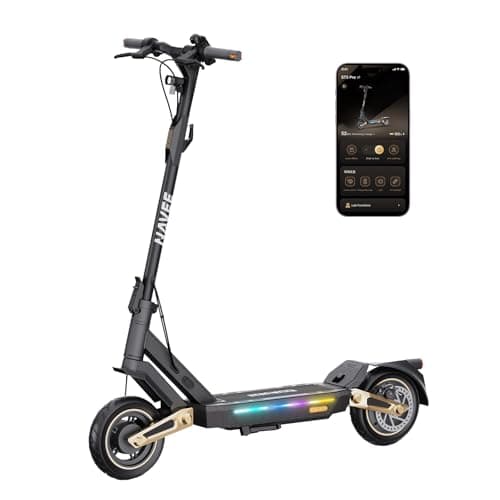
24.9 measured miles at 24.8 mph with drum-and-disc braking — the value commuter that does not compromise on stopping.
#ad How we are funded · Price as of November 14, 2026

Rider Guide's best-under-$500 pick: 20 mph, 14.6 miles and 37.4 lb.
Specs that make repairs easier
| Model | Range | Top speed | Weight | Max rider | Motor | Brakes | IP | Price |
|---|---|---|---|---|---|---|---|---|
| Segway Ninebot Max G3 | 24.9 milesMeasured | 28 mphMeasured | 54.2 lbMeasured | 286 lbMeasured | 850 WMeasured | Dual discMeasured | IPX6Claim | $999.00 · View on Amazon #ad How we are funded · Price as of November 14, 2026 |
| NIU KQi 300X | 26.8 milesMeasured | 23.6 mphMeasured | 48.7 lbMeasured | 265 lbMeasured | 500 WMeasured | Dual discMeasured | Not published | $369.99 · View on Amazon #ad How we are funded · Price as of November 14, 2026 |
| NAVEE ST3 Pro | 24.9 milesMeasured | 24.8 mphMeasured | 55 lbMeasured | 265 lbMeasured | 600 WMeasured | Drum + discMeasured | IPX5Claim | $709.99 · View on Amazon #ad How we are funded · Price as of November 14, 2026 |
| GoTrax G4 | 14.6 milesMeasured | 20.0 mphMeasured | 37.4 lbMeasured | Not published | Not published | Not published | Not published |
Measured figures come from a named third-party test; Claim figures come from the manufacturer. Sources are listed under each model below. Price links are paid affiliate links. Empty specifications read “Not published” rather than being estimated.
Four published specifications change how often you will need a repair and how annoying it is when you do.
- Self-healing tubeless tires. The single biggest reduction in maintenance available. The Segway Ninebot Max G3 runs 11-inch self-healing tubeless and the NIU KQi 300X 10.5-inch (eRideHero, Sep 2026).
- A drum brake at the front. Enclosed, so no contaminated pads and no rotor to bend, and it keeps working wet. The NAVEE ST3 Pro pairs a front drum with a rear disc (eRideHero, Sep 2026). The trade-off is stopping force, ranked in brakes explained.
- A published IP rating. The best predictor of the failure you cannot fix. The Max G3 publishes IPX6, the NAVEE GT3 Pro and Segway E3 Pro IPX5 (eRideHero, Sep 2026).
- Payload headroom. Running a frame, deck and bearings at their rated limit every ride is the quiet accelerant on all four failure points above. What a payload rating actually means explains why.
Hydraulic brakes are the one specification that cuts both ways: stronger and more consistent than anything else, and harder to service yourself. If you want them anyway, the hydraulic-brake round-up has the models.
What to do yourself
Most scooter maintenance is simpler than bicycle maintenance, because there is less of it.
- Do yourself: tire pressure, brake cable adjustment, pad replacement on mechanical discs, tightening the stem clamp, cleaning and drying after a wet ride, replacing a tube on a front wheel. A 5 mm hex key and a pump cover most of it. The maintenance checklist is the routine.
- Think twice: a rear tube on a hub-motor wheel, hydraulic brake bleeding, anything that means opening the deck. The deck is where the battery and the controller live.
- Do not: open or repair a battery pack, substitute a charger, or keep riding a scooter with play in the folding joint. The first two are fire risks and the third is a structural one.
On the “near me” version of this question: we are a national publisher with no premises and no local directory, so we cannot tell you which shop to use. What is worth knowing is that bicycle shops will often handle tires, tubes and mechanical brakes on a scooter — those are bicycle parts in a different frame — while anything electrical usually goes back to the brand.
Why we quote no repair prices
You will notice no dollar figures in this page for a tire, a pad set, a battery or a labor hour. That is because we hold none: no publication we cite publishes scooter parts pricing or service rates, and the figures vary by model, brand and channel in ways we cannot verify. Printing a plausible number would be exactly the kind of fabrication our methodology rules out.
What we can tell you is the structure — the four failure points, which half of the market your scooter belongs to, and which published specifications reduce how often you deal with any of it. For purchase prices, which we do hold where a source dated them, see what an electric scooter costs.
What we do not know
Frequently asked questions
▸Where can I get an electric scooter repaired?
It depends on who made it. Retail-channel brands — Segway, NIU, NAVEE, GoTrax — move parts and replacements through normal retail. Direct-sales brands handle everything themselves. Bicycle shops will often take on tires, tubes and mechanical brakes; electrical faults usually go back to the brand.
▸What breaks most often on an electric scooter?
Tires, by a distance — punctures on pneumatic tires, made more awkward by the motor usually living in the rear wheel. After that: brake adjustment, gradual battery decline, and play in the folding joint, which is the only one of the four that is genuinely dangerous.
▸Can I replace an electric scooter battery?
Sometimes, and it varies by model in ways manufacturers rarely publish. Never open or repair a pack yourself, and never substitute a charger — the charger is matched to the pack and its management board.
▸Are electric scooters expensive to maintain?
Structurally they are cheap: no chain, no oil, no gearbox, and four realistic wear points. We hold no parts pricing or labor rates for any model, so we will not quote a dollar figure — but the parts list is short and most adjustments are a ten-minute job with a hex key.
Read next
Kick & Volt does not ride or bench-test scooters. Every real-world figure on this page is attributed to the third party that measured it — how we research this.