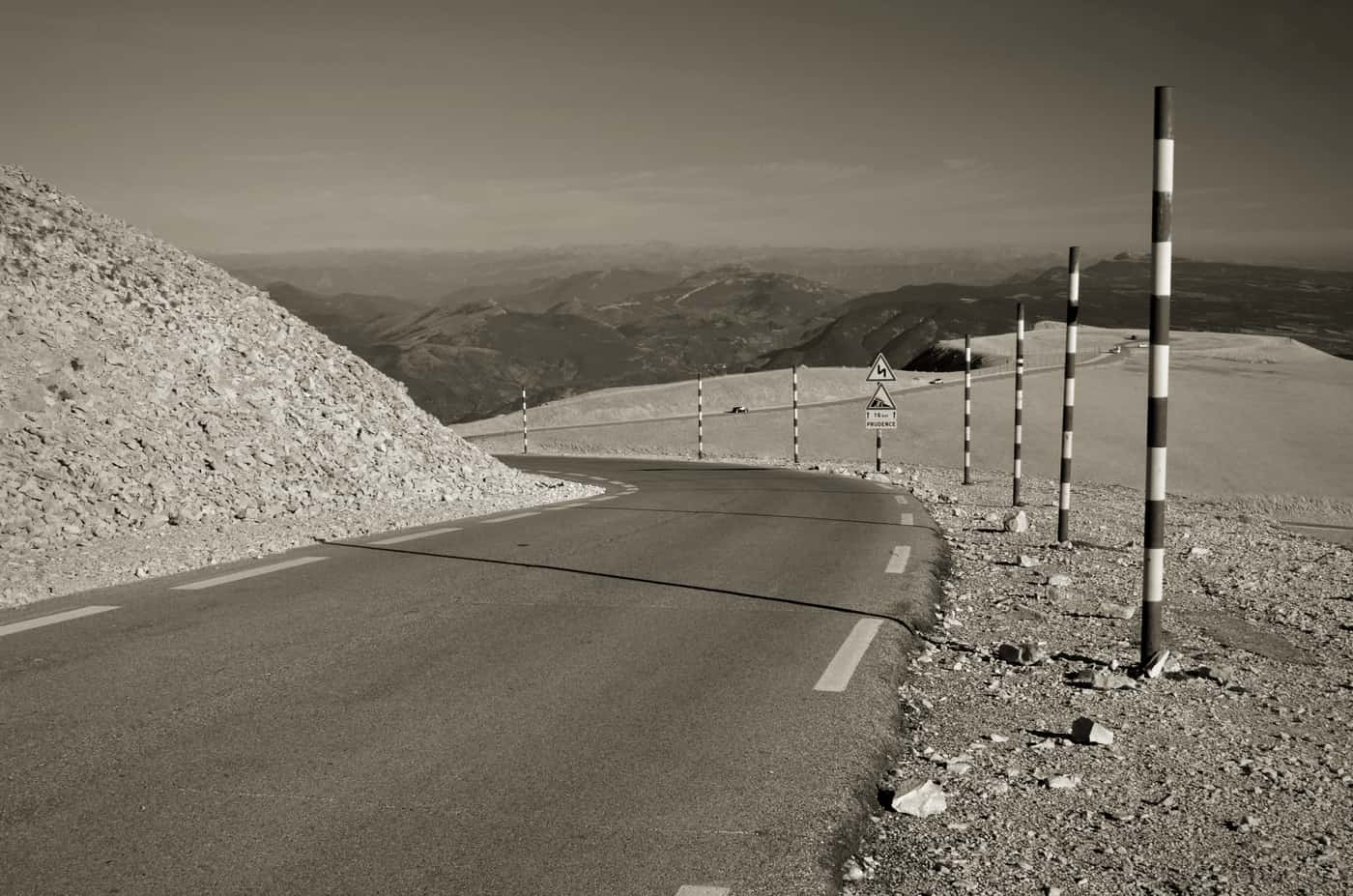
How steep a hill can an electric scooter climb?
Most standard scooters manage 10 to 15 percent. Beyond that it becomes a power-to-weight calculation, and the published grade rating stops being a useful guide.
By Ryder M. · Published September 27, 2026
The short answer
Most standard electric scooters handle 10 to 15 percent grades. Below 10% almost any working scooter copes; 15-20% needs 1000 W or more; above 20% you are looking at 1500 W and dual motors (Hiboy, Sep 2026). Real-world testing typically puts practical climbing at about 60% of a manufacturer’s maximum rating (Levy Electric, Sep 2026).
The bands
| Gradient | What it takes | What that feels like |
|---|---|---|
| Under 5% | Any working scooter | A gentle rise you barely notice in a car |
| 5-10% | 500 W and up | A typical residential street with a slope |
| 10-15% | Good torque plus rider input | Most standard scooters top out here |
| 15-20% | 1000 W and up | A genuinely steep street |
| Over 20% | 1500 W and up, plus dual motors | San Francisco territory |
Wattage thresholds from manufacturer engineering guidance (Hiboy, Sep 2026) (Levy Electric, Sep 2026). Treat them as vendor claims: every one of these companies also sells a scooter it would like to sell you.
What a percentage grade feels like
Grade is rise over run: a 10% grade climbs 10 feet for every 100 feet traveled. That is more meaningful with reference points:
- 3-5% — a slope you notice on a bicycle and not in a car. Wheelchair ramps are built at about 8%.
- 8-10% — a signposted steep hill on a highway. Most residential slopes.
- 15% — a street you would change gear for on a bike and think about on foot.
- 20%+ — genuinely steep urban streets. San Francisco has several above 25%.
If you do not know your route’s gradient, a phone map with an elevation profile will tell you the climb in feet over the distance; divide one by the other and multiply by 100.
How your weight shifts it
Hill performance is the spec most sensitive to rider weight. A 200 lb rider on a 350 W scooter sees materially less uphill performance than a 120 lb rider on the same machine (NAVEE, Sep 2026), and the guidance is explicit that a rider significantly heavier than the roughly 165 lb standard testing weight should add three to five percentage points to their terrain requirement (Levy Electric, Sep 2026).
In practice that means a rider at 230 lb should read the table above one band down: if your hill is 12%, plan as though it were 16%. And if you are close to your scooter’s payload ceiling, expect climbing to be the first thing to suffer — see what a payload rating actually means.
Why watts is only a proxy
Wattage is the number everybody quotes because it is the number everybody publishes. What actually moves you against gravity is torque, measured in newton-meters, and torque depends on motor characteristics, gearing, controller output and battery voltage as well as raw power (Levy Electric, Sep 2026).
This is why two 800 W scooters can climb quite differently, and why a well-geared 700 W machine sometimes outperforms a poorly geared 1000 W one. It is also why we treat published grade ratings with suspicion rather than ranking scooters by them. The watts and torque explainer goes further into the mechanics.
What hills do to range
Climbing draws far more current than flat riding, so a hilly route shortens range as well as slowing you down (Hiboy, Sep 2026). One manufacturer’s guidance suggests planning for 40-50% more battery capacity than your flat-terrain calculation if you live somewhere hilly — for example budgeting 12-14 miles of battery for an 8-mile flat-ground commute (Levy Electric, Sep 2026).
That compounds with the general range gap. If you are on a hilly route, take the measured range figure, then apply the hill allowance on top — the method is set out in how far can you actually commute.
What we do not know
Frequently asked questions
▸Can an electric scooter climb a 20% grade?
Only with substantial power — guidance points at 1500 W and up, ideally dual motors, and performance still depends heavily on rider weight. Most standard scooters top out around 10-15%.
▸Why does my scooter slow down so much on hills?
Because climbing demands torque the motor may not have at that speed. Manufacturers rate maximum incline with a light rider, a full battery and a perfect surface; real-world climbing is typically around 60% of the rated maximum.
▸Does a bigger battery help with hills?
It helps with how far you can climb, not how steep. Voltage does affect motor output, but capacity mostly buys endurance. For gradient, look at power and gearing.
▸How much extra range should I allow for a hilly commute?
Manufacturer guidance suggests budgeting 40-50% more capacity than your flat-ground calculation — for instance 12-14 miles of battery for an 8-mile flat commute.
Read next
Kick & Volt does not ride or bench-test scooters. Every real-world figure on this page is attributed to the third party that measured it — how we research this.