
Electric scooter vs motorcycle
These only look like alternatives in a narrow band. Above about 30 mph a scooter starts inheriting a motorcycle's legal obligations without gaining its brakes, tires or lights.
By Ryder M. · Published September 29, 2026
Kick & Volt earns a commission when you buy through our Amazon links, at no extra cost to you. It never changes what we recommend or how we rank it — read the full disclosure.
The short answer
If your journey is under about 15 miles and mostly urban, the scooter — no license, no registration, no insurance in most places, and it folds. If you need highway speeds, long distance, or to carry a passenger, a motorcycle is the only real answer. The trap is the middle: a 40-50 mph scooter takes on a motorcycle’s legal obligations without its brakes, tires, lights or crash protection.
Side by side
| Factor | Electric scooter | Motorcycle |
|---|---|---|
| License | None in most places for a low-speed scooter | Motorcycle endorsement required |
| Registration and plates | None for a low-speed scooter | Required |
| Insurance | Not usually required | Required |
| Top speed | 17-28 mph for a commuter; 30-39 for performance models | Highway capable |
| Range | 11-46 measured miles depending on model | Well over 100 miles, refueled in minutes |
| Refuel or recharge | Hours on a charger | Minutes at a pump |
| Where you ride | Bike lanes and surface streets | Roads, including highways |
| Passenger | No | Yes |
| Parking | Folds and comes indoors | Needs a motorcycle bay |
| Protective gear | Helmet, gloves | Full kit, realistically |
| Running cost | Pennies of electricity; a battery that ages | Fuel, tax, insurance, servicing, tires |
| Crash protection | None | None, but better brakes, tires and lights |
| Training | None needed | Genuinely necessary |
The worst-of-both-worlds zone
This is the part of the comparison worth reading carefully, because it is where money gets wasted.
Our registry contains scooters independently measured at 52, 57.5, 61.2, 66 and 73.5 mph. Those are motorcycle speeds. What they do not have is motorcycle hardware: the Kaabo King GTR reaches 66 mph on dual disc brakes rather than hydraulics (eRideHero, Sep 2026), and scooter wheels, tires and lighting are not built for sustained use at those speeds.
At the same time, a machine capable of 50 mph falls outside every US definition of an electric scooter, so the licensing and registration advantages — the actual reason to choose a scooter — evaporate. You end up with a vehicle that is legally awkward, less safe than a motorcycle at the same speed, and still cannot carry a passenger or use a highway. Our legality guide explains where the thresholds sit.
The practical conclusion: buy a scooter for scooter speeds. If you genuinely need 50 mph, buy the vehicle designed for it.
Where the motorcycle wins
Distance and refueling
Our longest independently measured scooter range is 59.8 miles, on a 103 lb hyperscooter (eRideHero, Sep 2026), and recharging takes hours. A motorcycle goes further and refuels in minutes.
Highway access
No electric scooter belongs on a highway, at any speed it can reach. If your route needs one, the comparison is over.
Braking, tires and lights
Even a modest motorcycle has braking hardware, tire contact patch and lighting designed for its speed. Scooters at comparable speeds frequently do not publish a brake specification at all — see what each speed band actually needs.
Carrying a passenger
No electric scooter is designed for two people. Do not try it.
How to decide
Choose the scooter if your trips are under about 15 miles, mostly urban, and you value not needing a license, registration, insurance or a parking space. The Segway Ninebot Max G3 at 28 mph measured, with IPX6 and dual disc brakes, is the sensible ceiling for this use.
Choose a motorcycle if you need highway speeds, distance, a passenger, or to ride in all conditions at speed. Get trained, and get the gear.
Consider a seated scooter as the middle ground — moped-style machines bridge some of the gap on comfort and distance while usually staying inside scooter rules. Where that line sits is covered in seated scooter vs moped.
What we do not know
If a scooter covers your journey, these are the serious options
Three scooters for people who were considering a motorcycle: the most complete mainstream commuter, the longest measured range that still folds, and a seated moped-style machine for longer trips.
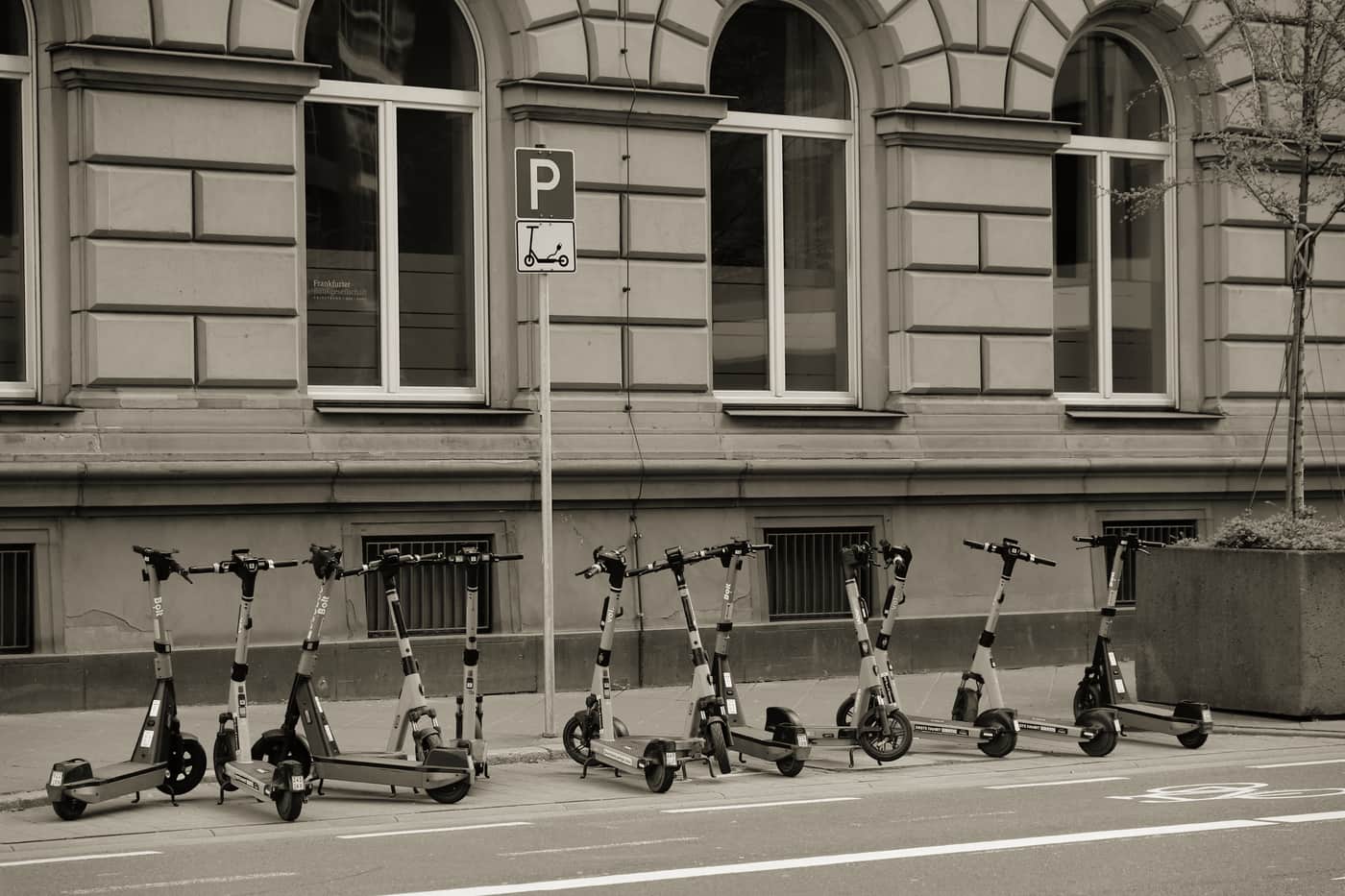
28 mph measured, IPX6, dual disc brakes and 286 lb of payload — the most complete mainstream commuter in the data.

35.6 measured miles with an IPX6 rating and 287 lb of payload — the range champion that is still a foldable commuter.
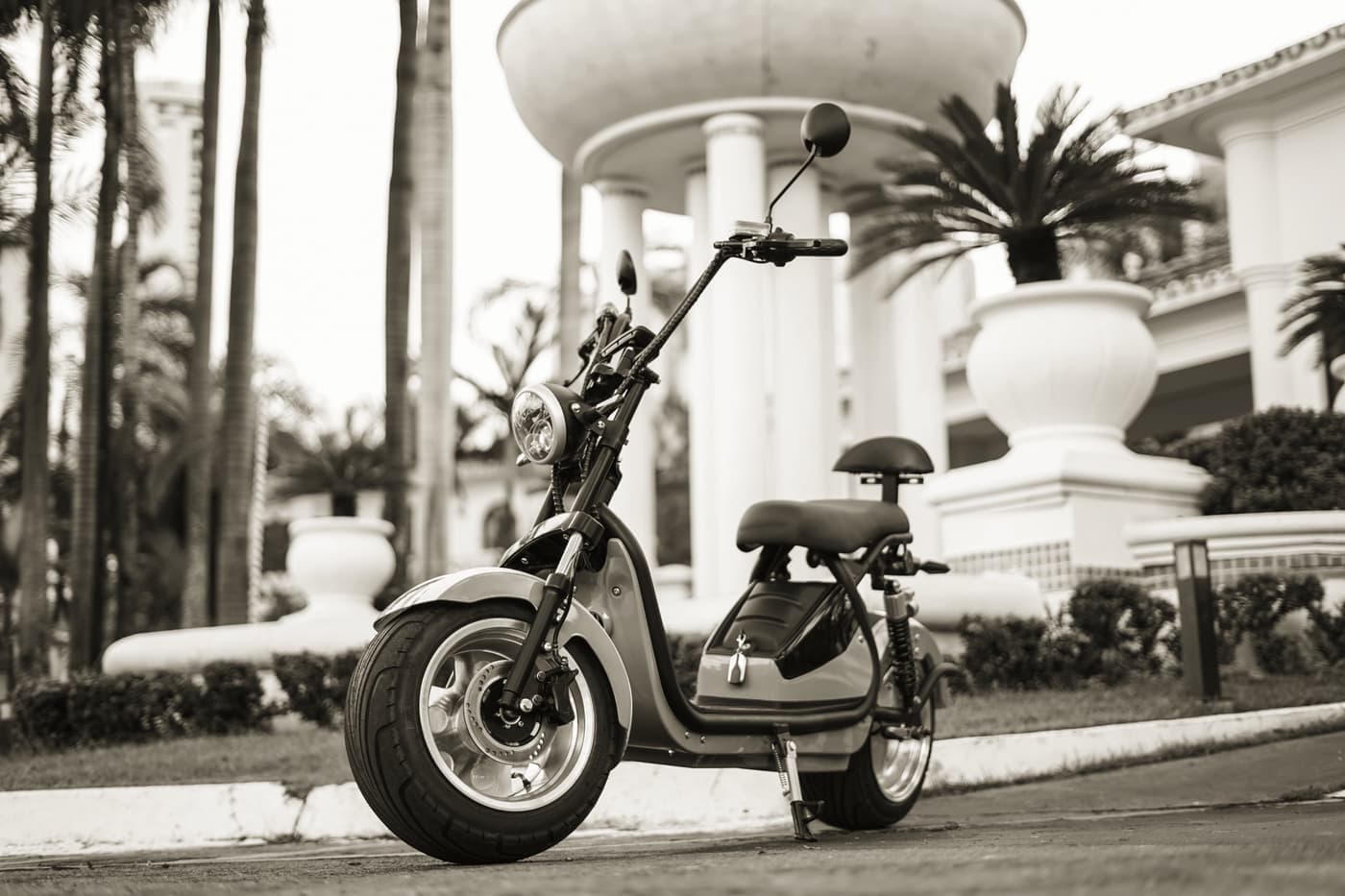
The moped-style seated scooter most people actually mean: dual 500 W motors, XTECH hydraulics, listed at $1,695.
Frequently asked questions
▸Is an electric scooter a good alternative to a motorcycle?
For urban journeys under about 15 miles, yes — no license, registration or insurance in most places, and it folds and comes indoors. For highway use, distance or a passenger, it is not an alternative at all.
▸Do you need a license for a fast electric scooter?
Above your state’s speed or power threshold, often yes. Machines measured above 50 mph fall outside every US scooter definition, which brings licensing, registration and insurance into play.
▸Is a 50 mph electric scooter as safe as a motorcycle?
No. At comparable speeds a motorcycle has braking hardware, tires and lighting designed for it. Several 50+ mph scooters do not even publish a brake specification.
▸Which is cheaper to run?
The scooter, clearly — electricity costs pennies and there is no fuel, tax, insurance or servicing. The offsetting cost is a battery that degrades and eventually needs replacing.
Read next
Kick & Volt does not ride or bench-test scooters. Every real-world figure on this page is attributed to the third party that measured it — how we research this.