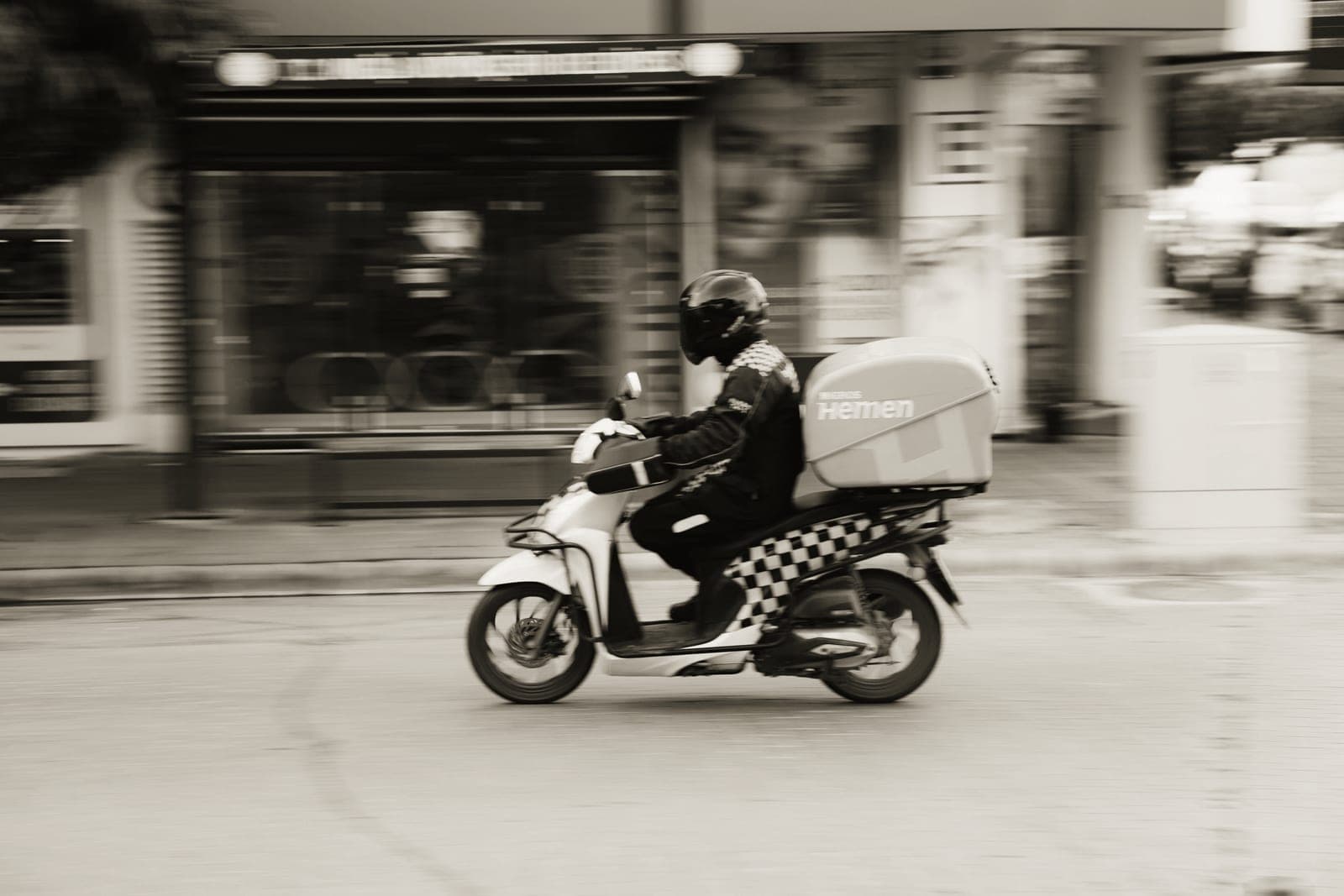
Seated electric scooter vs electric moped
The line between the two is blurrier in marketing than it is in law. Getting it wrong changes where you can ride, what you need to register, and what insurance you require.
By Ryder M. · Published September 27, 2026
Kick & Volt earns a commission when you buy through our Amazon links, at no extra cost to you. It never changes what we recommend or how we rank it — read the full disclosure.
The short answer
A seated electric scooter keeps the standing deck, the handlebar stem and usually the ability to fold — it is a kick scooter with a saddle. An electric moped has a step-through frame, a proper seat, footrests rather than a deck, and generally cannot be folded or carried. Legally, the difference that matters is top speed and motor power, not the shape.
The practical difference
Four things separate them in practice:
- Riding position. A seated scooter still has a deck you could stand on; a moped has footrests and expects you to sit.
- Folding. Seated scooters sometimes fold. Mopeds never do.
- Weight. A seated scooter runs from 37 lb to about 111 lb. A moped-style machine like the EMOVE RoadRunner Pro V2 is 135-154 lb depending on which source you read (Rider Guide, Sep 2026) (Rider Guide, Sep 2026).
- Speed. Seated scooters mostly top out in the 15-35 mph band. Moped-style machines are commonly built for 45 mph and up.
There is a middle ground, and it is where most of the confusion lives: machines like the EMOVE RoadRunner V3, at 77 lb with a claimed 34 mph and a built-in seat, are genuinely hard to categorize.
Where the law draws the line
In the US, the definitions are set at state level and they vary a great deal. What is broadly consistent is that the legal category is determined by top speed and motor power, not by whether the vehicle has a seat. A machine capable of 50 mph is not an electric scooter in any state we are aware of, regardless of how it is marketed.
The practical consequences of crossing the line are registration, licensing, insurance and where you are allowed to ride — a moped typically cannot use a bike lane. Our legality guide covers the general picture and is explicit about how much it varies.
What we do not know
How to tell which one you are buying
Four questions that resolve it quickly:
- What is the top speed? Above about 30 mph you are probably outside your state’s scooter definition. Above 45 mph you certainly are.
- Does it have footrests or a deck? Footrests mean a moped design.
- What does it weigh? Above about 120 lb, treat it as a moped whatever the listing calls it.
- Does the listing mention registration or a license? If the seller raises it, believe them.
Which one you actually want
A seated scooter if your journeys are under about 10 miles, you use bike lanes, you want to avoid registration, and you might occasionally need to move the thing without riding it. The seated round-up covers the options.
A moped-style machine if your journeys are longer, you ride on roads rather than bike lanes, you have somewhere secure to park, and you are prepared to deal with whatever registration your state requires.
Neither, possibly. If the appeal is comfort over distance, an e-bike is worth comparing honestly — it has larger wheels, bicycle brakes and a legal status that is settled almost everywhere. We work through it in electric scooter vs e-bike.
Where each of these machines actually sits
Three machines that illustrate the spectrum: a seated scooter at 77 lb, a borderline one at a claimed 111 lb, and a full moped-style machine at 135-154 lb depending on which source you read. Check your local speed threshold before the third one.
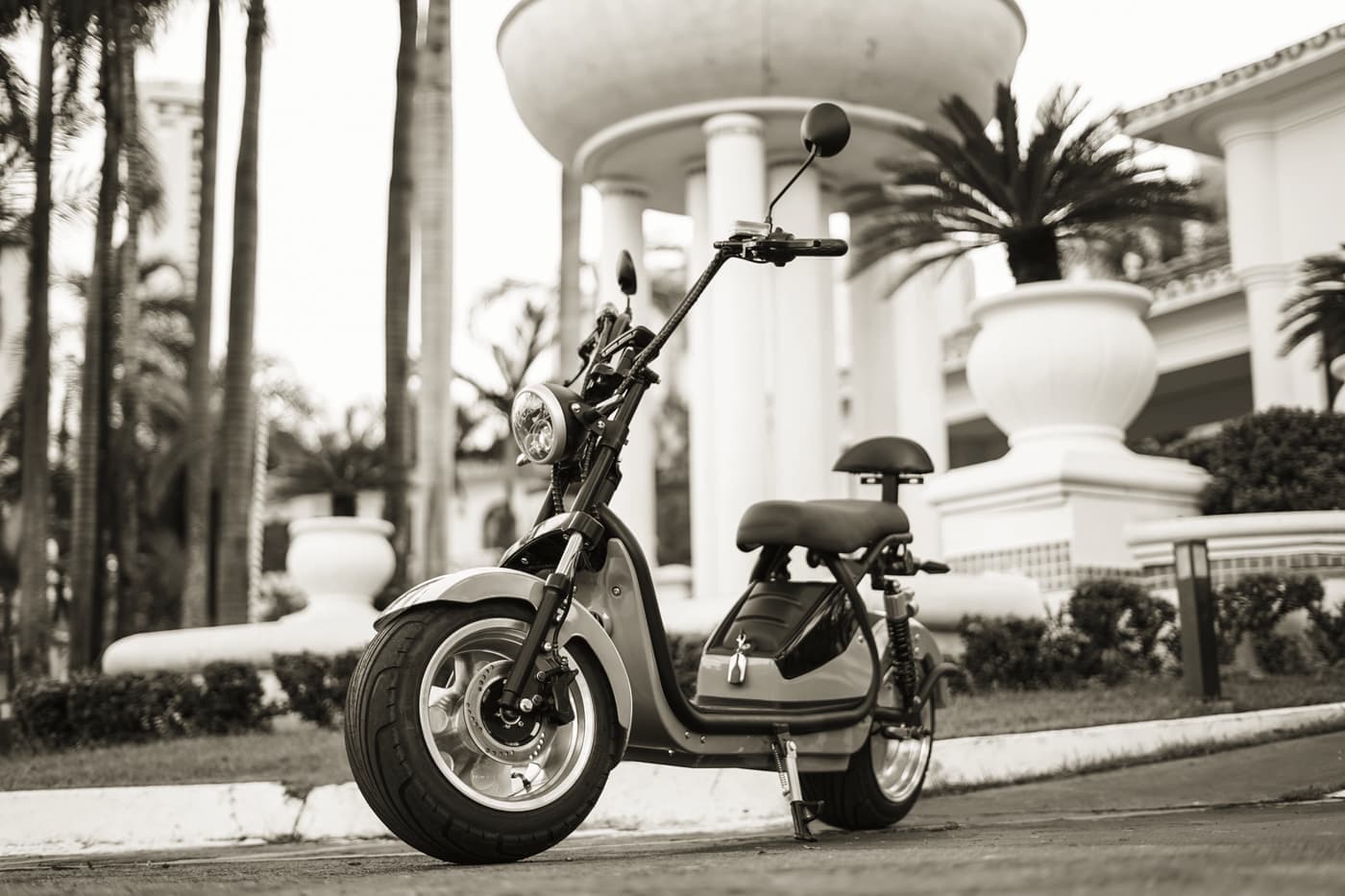
EMOVE RoadRunner V3
The moped-style seated scooter most people actually mean: dual 500 W motors, XTECH hydraulics, listed at $1,695.
isinwheel H7
A listed $699 for a claimed 1500 W, 330 lb and a hydraulic disc — the spec sheet is remarkable and entirely unverified.
EMOVE RoadRunner Pro V2
A full-size seated machine with DOT hydraulic brakes and 203 mm rotors — and two sources that disagree about its weight.
Frequently asked questions
▸Is a seated electric scooter a moped?
Not necessarily. The legal distinction is based on top speed and motor power, not on whether there is a seat. A 20 mph scooter with a saddle is usually still a scooter; a 45 mph machine is not, whatever its shape.
▸Do you need a license for a seated electric scooter?
It depends on your state and on the machine’s speed and power. Below the local scooter speed threshold, usually not. Above it, you may need registration, a license and insurance. Check your state’s rules before buying.
▸Can you ride an electric moped in a bike lane?
Generally no. Bike-lane access is one of the main things you give up when a machine falls outside the scooter or e-bike category in your jurisdiction.
Read next
Kick & Volt does not ride or bench-test scooters. Every real-world figure on this page is attributed to the third party that measured it — how we research this.