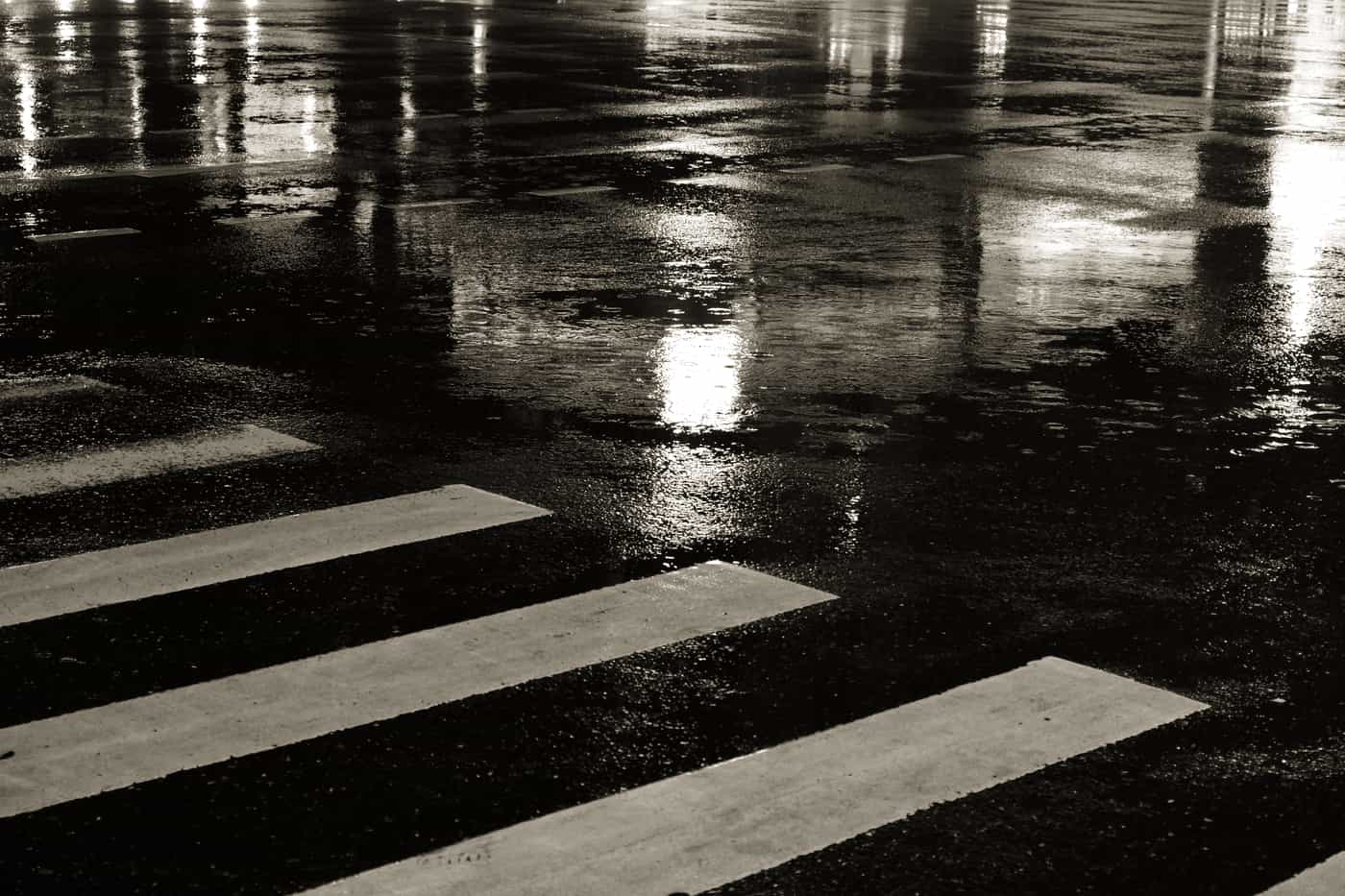
Riding an electric scooter in cold weather and snow
Cold does two unrelated things: it temporarily shrinks your range, which is recoverable and manageable, and it takes away grip and braking, which is not. The second one is why we would not ride on snow at all.
By Ryder M. · Published October 6, 2026
Kick & Volt earns a commission when you buy through our Amazon links, at no extra cost to you. It never changes what we recommend or how we rank it — read the full disclosure.
The short answer
Yes in the cold, with range loss you plan around; no on snow and ice, because grip and braking are the problem rather than the battery. Cold temporarily reduces available capacity and slows charging rather than permanently damaging a pack (Hiboy, Sep 2026), and the loss recovers when things warm up. The one cold-weather range figure we have measured is the Varla Eagle One V2’s 24.4 miles at 37.8 °F with 1,063 ft of climbing (Electric Scooter Insider, Oct 2026) — well below its 42-mile claim. The thing that actually hurts you below freezing is a small contact patch on a slick surface, and no spec fixes that.
The short answer
Winter riding splits cleanly into two problems that get discussed as one. The battery problem is real, well understood and entirely manageable — it costs you range and you plan for it. The traction problem is also real, is not manageable by buying a better scooter, and is the reason this page is not a “best snow scooter” round-up.
A scooter has two small contact patches, a short wheelbase, no stability control and brakes that act on wheels narrower than your hand. On a cold wet road that is manageable with lower speeds. On compacted snow or black ice it is not, and the right answer is to leave it at home.
What cold does to range
Cold does something different from heat: it temporarily reduces the capacity available from the pack and slows charging, rather than permanently degrading it (Hiboy, Sep 2026). Capacity comes back as the pack warms, which is why winter range loss feels alarming and is not.
How much it costs you is not something we can give you a percentage for, because no publication tests scooters at controlled temperatures. What we do have is one measured data point and one category baseline, and together they are more useful than a made-up figure:
- The measured cold figure. 24.4 miles at 37.8 °F with 1,063 ft of climbing on the Varla Eagle One V2 (Electric Scooter Insider, Oct 2026). Cold and hilly together, against a 42-mile claim. Read it as a floor for that machine rather than a temperature coefficient.
- The baseline. Across twelve models on a mixed-city protocol in normal conditions, real range averaged 71% of the advertised figure (Rider Guide, Sep 2026). Winter sits below that, which means a 25-mile claim is a sub-17.8-mile winter scooter.
The practical consequence is the planning rule we repeat everywhere on this site: buy about 30% more range than your route needs. In winter that margin stops being a nicety. More on the mechanisms in battery life and how to get more range.
What cold does to grip
Three things change at once and all of them reduce your margin:
- Rubber hardens. A cold tire has less grip than a warm one on the same surface, before any ice is involved.
- Brake performance changes with the hardware. Drums are enclosed and therefore reliable in the wet (eRideHero, Sep 2026), which makes them an underrated winter spec. Hydraulics need the least lever force, which matters a lot with cold hands or gloves.
- Surfaces lie. Wet leaves, painted road markings, metal covers and black ice all look like ordinary tarmac and have a fraction of its grip. A scooter’s contact patches are too small to recover from a mid-corner slip.
What to look for in a winter scooter
- IPX5 at minimum, IPX6 if you can. IPX5 covers low-pressure jets from any direction, the practical threshold for rain and road spray; IPX6 covers powerful jets and therefore heavy rain and standing water (Electric Scooter Guide, Sep 2026). Winter roads are wetter and dirtier than summer ones for months at a time. Full detail on IP ratings and wet weather.
- A published friction brake at both ends. A disc-plus-regen setup is one brake, and regenerative braking is not strong enough to be a primary brake.
- Pneumatic tires with volume. Better grip and better impact absorption than solid tires, which matters more on cold, hard, debris-strewn surfaces.
- A removable battery, if you can get one. Being able to bring the pack indoors to charge at room temperature solves the one genuinely damaging cold-weather behaviour. Our removable-battery round-up covers which models allow it.
The best-sealed scooters in our data
Three publish IPX6, the highest weather rating in our registry, and the fourth publishes IPX5 at budget positioning. Every rating below is the manufacturer’s own claim — nobody independently tests IP compliance on scooters.
28 mph measured, IPX6, dual disc brakes and 286 lb of payload — the most complete mainstream commuter in the data.
35.6 measured miles with an IPX6 rating and 287 lb of payload — the range champion that is still a foldable commuter.
IP66, 700 W and 26.7 mph at 46 lb — the most capable scooter in this data that is still genuinely portable.
23.3 measured miles and an IPX5 rating from a scooter positioned at the budget end — the best value in the measured data.
Snow, ice and salt
We will not recommend riding a two-wheeled electric scooter on snow or ice, and no product on this site changes that. There are no studded scooter tires in our registry, no traction control on any model we track, and no measured braking data in cold conditions for anything — the one braking distance that has ever been published for a model in our registry was recorded on dry tarmac (Electric Scooter Insider, Oct 2026).
Salt is the quieter winter problem and it outlasts the season. Road salt is corrosive to fasteners, brake hardware, bearings and exposed cable ends, and an IP rating does nothing about it because it is a chemical problem rather than an ingress one. If you ride through a salted winter, rinse the scooter with clean water and dry it, and check brake and folding hardware more often than the maintenance checklist suggests for mild conditions.
Cold also changes how a scooter fails. A hinge with slight play is a minor annoyance in July and a real hazard on a frozen surface where you cannot correct a wobble, which is part of why wear items deserve more attention in winter than in summer.
Six winter habits
- Let a cold pack reach room temperature before charging it. Charging a very cold battery is the one genuinely damaging thing you can do to it (Hiboy, Sep 2026).
- Store the scooter indoors. It keeps the pack warmer, which means more range at the start of a ride, and it keeps salt and damp off everything else.
- Plan on a reduced range and charge more often. Shallower cycles are gentler on the pack anyway.
- Drop your speed and widen your margins. Brake earlier, corner slower and treat every painted line and metal cover as ice.
- Check tire pressure more often. Pressure falls as temperature does, and an under-inflated cold tire is worse on both grip and range.
- Wear gloves you can brake in. Thick gloves plus a stiff mechanical brake lever is a genuinely bad combination — see helmets and safety gear.
What we do not know
No publication we found tests electric scooter range, braking or grip at controlled temperatures, so there is no percentage range-loss figure on this page and no cold stopping distances anywhere in our data. Nobody independently verifies IP ratings on scooters either — every rating here is the manufacturer’s own claim.
We also have no corrosion testing, no data on which models cope with road salt, and no studded or winter-specific tires in our registry. The strongest honest statement available is the mechanism plus one measured cold-weather range figure.
Frequently asked questions
▸Can you ride an electric scooter in cold weather?
Yes. Cold temporarily reduces available range and slows charging rather than permanently damaging the pack, and the capacity returns as things warm up. Plan on noticeably less range than the summer figure and charge more often.
▸Can you ride an electric scooter in snow?
We would not. The problem is grip and braking rather than the battery — a scooter has two small contact patches, a short wheelbase and no traction control, and there are no studded scooter tires in our registry. Compacted snow and black ice are where scooters run out of options.
▸How much range do you lose in winter?
We do not publish a percentage, because no publication tests scooters at controlled temperatures. The one measured cold figure we have is 24.4 miles at 37.8 °F with 1,063 ft of climbing on the Varla Eagle One V2, against a 42-mile claim. Plan for meaningfully less than the summer number.
▸Does cold damage an electric scooter battery?
Riding in the cold does not — the capacity loss is temporary and recovers. Charging a very cold pack is the thing to avoid. Let it reach room temperature first, which is much easier on a scooter with a removable battery.
▸Is road salt bad for an electric scooter?
Yes, and an IP rating does not help, because corrosion is a chemical problem rather than an ingress one. Rinse with clean water and dry the scooter after salted rides, and check brake and folding hardware more often than you would in mild conditions.
Read next
Kick & Volt does not ride or bench-test scooters. Every real-world figure on this page is attributed to the third party that measured it — how we research this.