
NIU KQi Air alternatives
The KQi Air returns 0.92 measured miles of real range per pound — more than double what most scooters manage. Nothing else in our data comes close, so every alternative here is a decision about how many pounds you will accept.
By Ryder M. · Published November 9, 2026
Kick & Volt earns a commission when you buy through our Amazon links, at no extra cost to you. It never changes what we recommend or how we rank it — read the full disclosure.
The short answer
Nothing in our measured data replaces the NIU KQi Air on its own terms. At an independently measured 26.4 lb with 24.2 measured miles (eRideHero, Sep 2026), it is the only scooter in our registry in the one-hand-carry band that also has a commuter’s range. The closest alternatives are the NIU KQi 100F at 38.8 lb and the GoTrax G4 at 37.4 lb (eRideHero, Sep 2026) (Rider Guide, Sep 2026) — both roughly 11 to 12 lb heavier, both with well under half the real range. If you will accept 45.6 lb, the VMAX VX2 Pro GT measured 39.6 miles (eRideHero, Sep 2026).
What the KQi Air is known for
One number, and it is worth understanding properly before shopping against it. eRideHero put the KQi Air on a scale at 26.4 lb and rode it to shutdown at 24.2 miles (eRideHero, Sep 2026). Divide one by the other and you get 0.92 measured miles of real range per pound of scooter. The next best figure in our entire 45-model registry is the VMAX VX2 Pro GT at 0.87, and most machines sit between 0.35 and 0.55.
Light scooters are normally light because they have a small battery, and the range figure gives the game away. The KQi Air does not follow that rule, and that is the whole reason it costs what it costs. It also measured 20.1 mph with a 350 W motor, carries a claimed IP55 rating and is rated to the category-standard 265 lb (eRideHero, Sep 2026).
What it gives up is equally clear. 350 W is the least hill-capable motor of any scooter we recommend, it runs 9.5-inch tubeless tires with no suspension at all, and there is no payload headroom above 265 lb. Our full KQi Air review covers all of it, and the lightweight round-up is the category page it leads.
Nothing in our data is this light
Most alternatives pages can promise a straight substitution. This one cannot, and saying so up front is more useful than pretending otherwise. Across every model in our registry with an independently measured weight, the KQi Air is the only one under 37 lb that is also an adult commuter rather than a child’s scooter. The lightest alternative with usable range is the GoTrax G4 at 37.4 lb — 42% heavier.
That turns the shopping question into a different one: how many pounds are you willing to take on, and what do you get back for each of them? The honest answer is that you get back range, sealing, motor output or money, and which of those you want decides the pick. Carrying weight and fold size sets out the practical bands: under 30 lb is a genuine one-hand carry, 30 to 40 lb is a short two-hand lift, 40 to 55 lb is two hands and a pause on the landing, and above that you are rolling it rather than lifting it.
Note where that places the picks below. Every single one of them crosses out of the one-hand-carry band, and four of the six cross out of the short-lift band too. If you chose the KQi Air specifically because you carry a scooter up stairs every day, the correct conclusion from this page may be to buy the KQi Air.
How these were ranked
Ranked on how completely each machine replaces what the KQi Air actually does — stay light enough to carry while holding a measured range you can plan a commute around. In order:
- Measured weight first. This is the specification the KQi Air exists for, so it leads. Every weight below is a figure a tester put on a scale, not a number off a box.
- Measured range second. Advertised range averaged 71% of the printed figure across the twelve-model study we cite, and as low as 53% (Rider Guide, Sep 2026), so claimed range is not a ranking input. A model with a complete measured row outranks a lighter model with a thinner one — which is why the NIU KQi 100F sits above the GoTrax G4 despite being 1.4 lb heavier.
- Published sealing third. The KQi Air claims IP55. Two machines here beat it and two publish nothing at all. What IP ratings certify explains the tiers.
- Motor output last. 350 W is a low bar to clear and every alternative here clears it, so it separates nothing at the top of the list.
Price is not one of the four. Dated list prices from our sources appear in prose where they exist; the only current number on this page is inside each buy button.
| # | Product | Best for | Score | Price |
|---|---|---|---|---|
| 1 | 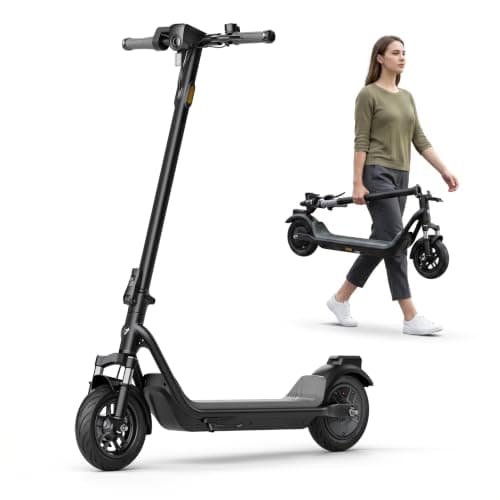 NIU KQi 100FThe budget pick, and the lightest alternative with a complete measured row: 38.8 lb, 11.4 measured miles and the same 265 lb rating. The range is the whole compromise. | Short last-mile hops | 4.0 | $399.00 · View on Amazon #ad How we are funded · Price as of November 14, 2026 |
| 2 |  GoTrax G41.4 lb lighter than the KQi 100F and 3.2 measured miles further, for a dated $439. The published spec sheet is the thinnest here. | Best under $500 | 5.4 | |
| 3 | 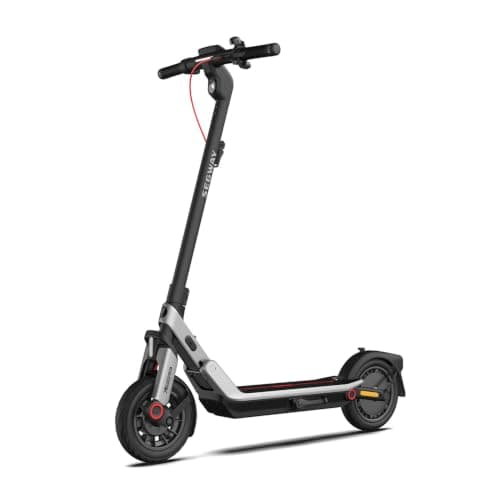 Segway Ninebot E3 Pro40.1 lb for 17.2 measured miles and a published IPX5 rating, with the best parts and service network in the category behind it. | Budget buyers who want support | 5.1 | $549.99 · View on Amazon #ad How we are funded · Price as of November 14, 2026 |
| 4 |  VMAX VX2 Pro GT0.87 measured miles per pound, second only to the KQi Air itself: 39.6 miles at 45.6 lb, with 287 lb of payload. | Range without the weight | 7.7 | |
| 5 |  Apollo Go46 lb buys IP66 sealing, 700 W and 26.7 measured mph. Capability per pound rather than range per pound. | Most capable lightweight | 5.9 | |
| 6 | 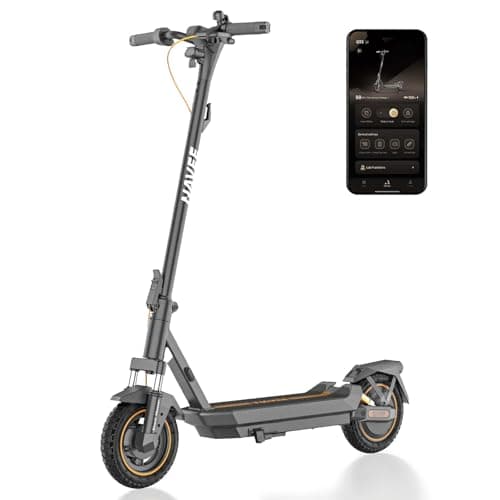 NAVEE GT3 ProThe closest match to the KQi Air's real range at 23.3 measured miles and IPX5 — and the heaviest machine here at 48.5 lb. | Best budget overall | 5.2 | $489.99 · View on Amazon #ad How we are funded · Price as of November 14, 2026 |
Scores are computed from published specifications using the rubric on our research methodology page. Tap any row to jump to the full write-up.
Every pick in full
Each model below lists what the maker publishes, what an independent tester measured, and the trade-off you accept by choosing it. Nothing here is perfect.
NIU KQi 100F
The budget pick, and the lightest alternative with a complete measured row: 38.8 lb, 11.4 measured miles and the same 265 lb rating. The range is the whole compromise.
- Range:
- 11.38 milesMeasured (eRideHero, Sep 2026)
- Top speed:
- 17.4 mphMeasured (eRideHero, Sep 2026)
- Weight:
- 38.8 lbMeasured (eRideHero, Sep 2026)
- Max rider:
- 265 lbMeasured (eRideHero, Sep 2026)
What is good
- One of the cheapest scooters in this data set with an independently measured range
- 17.4 mph is a sane speed on a scooter with entry-level brakes
- 38.8 lb is manageable for occasional lifting
What you give up
- 11.4 measured miles means a 5-mile each-way commute is already at the limit
- 300 W will struggle on anything steeper than a gentle rise
- No IP rating published — treat it as fair-weather
#ad How we are funded · Price as of November 14, 2026
GoTrax G4
1.4 lb lighter than the KQi 100F and 3.2 measured miles further, for a dated $439. The published spec sheet is the thinnest here.
- Range:
- 14.6 milesMeasured (Rider Guide, Sep 2026)
- Top speed:
- 20.0 mphMeasured (Rider Guide, Sep 2026)
- Weight:
- 37.4 lbMeasured (Rider Guide, Sep 2026)
What is good
- 20 mph and 14.6 miles is a lot of scooter per dollar at this end of the market
- 37.4 lb is at the light end for a budget model
- Widely stocked, so replacement parts are easy to find
What you give up
- 14.6 miles leaves little margin once cold weather and hills take their cut
- No IP rating, payload or brake spec on the page we sourced
- Budget scooters are where build quality varies most between units
Listed at $439Measured (Rider Guide, Sep 2026) when we read that page. That is a dated figure, not a live one — check the current price before you buy.
Segway Ninebot E3 Pro
40.1 lb for 17.2 measured miles and a published IPX5 rating, with the best parts and service network in the category behind it.
- Range:
- 17.2 milesMeasured (eRideHero, Sep 2026)
- Top speed:
- 19.3 mphMeasured (eRideHero, Sep 2026)
- Weight:
- 40.1 lbMeasured (eRideHero, Sep 2026)
- Max rider:
- 265 lbMeasured (eRideHero, Sep 2026)
What is good
- IPX5 at a budget price — most scooters this cheap publish no rating at all
- 17.2 measured miles covers a 7-mile each-way commute with margin
- Parts and service are easier to find than for any other brand here
What you give up
- 19.3 mph is slow if your route includes a stretch of open road
- 400 W is mid-pack at best on hills
- Nothing about it is exciting — that is rather the point
#ad How we are funded · Price as of November 14, 2026
VMAX VX2 Pro GT
0.87 measured miles per pound, second only to the KQi Air itself: 39.6 miles at 45.6 lb, with 287 lb of payload.
- Range:
- 39.6 milesMeasured (eRideHero, Sep 2026)
- Top speed:
- 23.9 mphMeasured (eRideHero, Sep 2026)
- Weight:
- 45.6 lbMeasured (eRideHero, Sep 2026)
- Max rider:
- 287 lbMeasured (eRideHero, Sep 2026)
What is good
- 39.6 measured miles from a 45.6 lb scooter — 0.87 miles of real range per pound
- 287 lb payload is above the category's usual 265 lb ceiling
- 23.9 mph is a speed the chassis and brakes can comfortably carry
What you give up
- Slower than several scooters with half its range
- No IP rating or brake type published in the data we sourced
- Long range and low weight is the expensive combination
Apollo Go
46 lb buys IP66 sealing, 700 W and 26.7 measured mph. Capability per pound rather than range per pound.
- Range:
- 19.8 milesMeasured (eRideHero, Sep 2026)
- Top speed:
- 26.7 mphMeasured (eRideHero, Sep 2026)
- Weight:
- 46 lbMeasured (eRideHero, Sep 2026)
- Max rider:
- 265 lbMeasured (eRideHero, Sep 2026)
What is good
- IP66 — dust-tight and rated for powerful water jets, the best rating in the dataset
- 700 W at 46 lb gives a genuinely good power-to-weight ratio for hills
- A drum brake is the right choice on a scooter meant to be ridden wet
What you give up
- 19.8 measured miles is the weak spot
- Regen is a supplement, not a second friction brake
- 265 lb payload despite the capable hardware
NAVEE GT3 Pro
The closest match to the KQi Air's real range at 23.3 measured miles and IPX5 — and the heaviest machine here at 48.5 lb.
- Range:
- 23.3 milesMeasured (eRideHero, Sep 2026)
- Top speed:
- 20.6 mphMeasured (eRideHero, Sep 2026)
- Weight:
- 48.5 lbMeasured (eRideHero, Sep 2026)
- Max rider:
- 265 lbMeasured (eRideHero, Sep 2026)
What is good
- 23.3 measured miles at a budget price is the standout number in the set
- IPX5 means real rain and road spray, not just a light shower
- 20.6 mph is enough to hold a bike lane without drama
What you give up
- 48.5 lb for a budget scooter — you are not carrying this far
- 400 W limits it on sustained climbs
- No brake type published in the test data we found
#ad How we are funded · Price as of November 14, 2026
Side by side with the KQi Air
| Model | Range | Top speed | Weight | Max rider | Motor | Brakes | IP | Price |
|---|---|---|---|---|---|---|---|---|
| NIU KQi Air | 24.2 milesMeasured | 20.1 mphMeasured | 26.4 lbMeasured | 265 lbMeasured | 350 WMeasured | Not published | IP55Claim | $809.10 · View on Amazon #ad How we are funded · Price as of November 14, 2026 |
| NIU KQi 100F | 11.38 milesMeasured | 17.4 mphMeasured | 38.8 lbMeasured | 265 lbMeasured | 300 WMeasured | Not published | Not published | $399.00 · View on Amazon #ad How we are funded · Price as of November 14, 2026 |
| GoTrax G4 | 14.6 milesMeasured | 20.0 mphMeasured | 37.4 lbMeasured | Not published | Not published | Not published | Not published | |
| Segway Ninebot E3 Pro | 17.2 milesMeasured | 19.3 mphMeasured | 40.1 lbMeasured | 265 lbMeasured | 400 WMeasured | Not published | IPX5Claim | $549.99 · View on Amazon #ad How we are funded · Price as of November 14, 2026 |
| VMAX VX2 Pro GT | 39.6 milesMeasured | 23.9 mphMeasured | 45.6 lbMeasured | 287 lbMeasured | Not published | Not published | Not published | |
| Apollo Go | 19.8 milesMeasured | 26.7 mphMeasured | 46 lbMeasured | 265 lbMeasured | 700 WMeasured | Drum + regenMeasured | IP66Claim | |
| NAVEE GT3 Pro | 23.3 milesMeasured | 20.6 mphMeasured | 48.5 lbMeasured | 265 lbMeasured | 400 WMeasured | Not published | IPX5Claim | $489.99 · View on Amazon #ad How we are funded · Price as of November 14, 2026 |
Measured figures come from a named third-party test; Claim figures come from the manufacturer. Sources are listed under each model below. Price links are paid affiliate links. Empty specifications read “Not published” rather than being estimated.
The KQi Air is the first row. The weight column is the one to read: the gap between it and the next row is 12.4 lb, which is larger than the 11.1 lb spread between the lightest and the heaviest alternative on this page. That single fact is the clearest argument for the KQi Air that exists, and it is why this page ranks alternatives rather than declaring a winner over it.
If the price is the problem
The NIU KQi 100F is the budget pick and the same brand, which makes it the natural first stop. eRideHero measured 11.38 miles and 17.4 mph from it at 38.8 lb, on a 300 W motor with a front spring and 9.5-inch pneumatic tires, rated to the same 265 lb (eRideHero, Sep 2026). It is one of the cheapest machines in our data with an independently measured range at all.
11.4 miles is the whole compromise and it is a serious one. A 5-mile each-way commute is already at the limit of that figure before cold weather, hills or a heavier rider take their cut, and all three do — how far you can actually commute works the arithmetic through with examples. It also publishes no IP rating, so treat it as fair-weather.
The GoTrax G4 is the better machine on paper at this end: 1.4 lb lighter at 37.4 lb and 3.2 measured miles further at 14.6, with 20.0 mph measured, for a listed $439 when Rider Guide read it (Rider Guide, Sep 2026). It sits second rather than first because its published row is the thinnest here — no IP rating, no payload figure and no brake specification in the source we used — and on a budget scooter those are the three things most likely to matter. The under-$500 round-up covers this bracket properly.
If the range is the problem
24.2 measured miles is good, not enormous, and a long commute will want more. The VMAX VX2 Pro GT is the answer that costs you the fewest pounds: 39.6 measured miles and 23.9 mph at 45.6 lb, with a 287 lb payload rating above the category’s usual ceiling (eRideHero, Sep 2026). That is 15.4 more real miles for 19.2 more pounds, and at 0.87 measured miles per pound it is the only machine in our registry that plays the KQi Air’s own game nearly as well.
Its gaps are in what nobody published: no IP rating and no brake type in the data we sourced, which on a 23.9 mph machine is the specification you would most want to see. The 40-mile-plus round-up is where this end of the range scale lives.
If what you want is the KQi Air’s range for less money rather than more range, the NAVEE GT3 Pro is the closest match: 23.3 measured miles — within 0.9 of the KQi Air — at 20.6 mph with a published IPX5 rating and dual suspension (eRideHero, Sep 2026). It is also the heaviest machine on this page at 48.5 lb, which means you are buying the same real range and giving up 22.1 lb to do it. For a rider who parks at street level rather than carrying, that is a straightforwardly good trade.
If the sealing is the problem
IP55 covers dust ingress and road spray, which is more than most of this market publishes, but it is not a wet-weather rating. Two machines here go further. The Apollo Go publishes IP66 — dust-tight and rated for powerful water jets, the best rating in our dataset — and eRideHero measured 26.7 mph and 19.8 miles out of its 700 W at 46 lb (eRideHero, Sep 2026) (Apollo Scooters, Oct 2026). It brakes on a drum plus regeneration, and a sealed drum is the right hardware on a scooter meant to be ridden wet.
The cost is range: 19.8 measured miles against a 36-mile claim (Apollo Scooters, Oct 2026), which is 4.4 fewer real miles than the KQi Air manages at 19.6 more pounds. You are paying in both currencies for the sealing and the motor.
The Segway Ninebot E3 Pro is the more moderate version of the same idea: a published IPX5 rating like the KQi Air’s, 17.2 measured miles, 19.3 mph and dual rubber dampening at 40.1 lb (eRideHero, Sep 2026). Nothing about it is exciting, which is rather the point — it is the pick for a buyer who wants a dealer, a warranty and a parts bin, and Segway’s network is the best in the category. See waterproof commuter scooters for the full sealing ranking.
The test to run before you buy
Every scooter on this page except the KQi Air weighs between 37 and 49 lb, and the difference between those numbers matters far less than whether you can live with any of them. So before committing to an alternative, run the test: pick up something you own that weighs about 40 lb, carry it up the flight of stairs you would actually be carrying a scooter up, and put it down. Then do it again holding a bag.
Most people who do that decide one of two things. Either 40 lb is fine because the carry is short and occasional, in which case the GoTrax G4, the KQi 100F or the E3 Pro are all honest buys and you have saved a substantial amount of money. Or it is not fine, in which case no page of alternatives helps and the KQi Air’s price is the price of the only machine that solves your problem.
The one thing not to do is buy on the fold specification. Almost nobody publishes folded dimensions in a comparable way, a scooter that folds flat still weighs what it weighs, and the carry is what you feel. The Segway Ninebot Max alternatives page covers the other end of this market, where weight stops being the deciding specification and sealing and payload take over.
What we do not know
Frequently asked questions
▸Is there a lighter scooter than the NIU KQi Air?
Not among adult commuters with an independently measured range. At 26.4 lb the KQi Air is the lightest machine in our registry that still returned 24.2 measured miles. The lightest alternative here is the GoTrax G4 at 37.4 lb, which is 42% heavier and measured 14.6 miles.
▸What is the cheapest alternative to the NIU KQi Air?
The NIU KQi 100F, which is the same brand and one of the cheapest scooters in our data with a measured range. It weighs 38.8 lb and measured 11.38 miles and 17.4 mph, so a 5-mile each-way commute is already at its limit. It publishes no IP rating.
▸Which light scooter has the most range?
The VMAX VX2 Pro GT, at 39.6 measured miles and 45.6 lb — 0.87 measured miles of real range per pound, second only to the KQi Air’s 0.92. It is rated to 287 lb, and no IP rating or brake type was published in the data we sourced.
▸Is the NIU KQi Air worth the premium over a cheaper scooter?
It depends entirely on whether you carry it. If you lift the scooter up stairs, onto a train or into a car most days, 26.4 lb is a problem no cheaper machine solves. If you park it at street level, you are paying for an engineering achievement you will never use, and the NAVEE GT3 Pro matches its real range to within a mile for far less.
▸Can the KQi Air handle hills?
Poorly. 350 W is the least hill-capable motor of any scooter we recommend, and it has no suspension to go with it. If your route has real gradients, the Apollo Go’s 700 W at 46 lb is the lightweight answer, and our hill-climbing pages cover the question properly.
Read next
Kick & Volt does not ride or bench-test scooters. Every real-world figure on this page is attributed to the third party that measured it — how we research this.