Segway Ninebot Max alternatives
The Max G3 measured 24.9 miles, 28 mph and IPX6 at 54.2 lb — a genuinely complete commuter, and the most expensive way to get most of what it does. Six machines that beat it on one axis each, with what you give up.
By Ryder M. · Published November 9, 2026
Kick & Volt earns a commission when you buy through our Amazon links, at no extra cost to you. It never changes what we recommend or how we rank it — read the full disclosure.
The short answer
The closest substitute for a Segway Ninebot Max G3 is the NIU KQi 300X: eRideHero measured 26.8 miles out of it against the Max G3’s 24.9, at 48.7 lb against 54.2, with dual disc brakes at both ends (eRideHero, Sep 2026). You give up the Max G3’s IPX6 sealing, its 850 W motor and 21 lb of payload headroom. If what you actually want is more range, the VMAX VX2 Hub measured 35.6 miles with the same IPX6 rating (eRideHero, Sep 2026).
What the Max G3 is known for
It is worth being clear about why this scooter is the one people search for alternatives to rather than away from. The Segway Ninebot Max line is the default recommendation in this category, and the G3 is the most complete mainstream commuter in our data. eRideHero measured 24.9 miles of range, 28 mph, 54.2 lb on a scale and a 286 lb payload rating, with an 850 W motor, dual disc brakes, 11-inch self-healing tubeless tires and dual adjustable hydraulic suspension (eRideHero, Sep 2026). Segway publishes an IPX6 rating for it, the highest weather rating in our mainstream commuter set (eRideHero, Sep 2026).
Two of those figures are unusual rather than merely good. The 286 lb payload clears the 265 lb ceiling that almost every other commuter in this market prints — the NIU KQi Air, the KQi 300X, the Segway E3 Pro, the NAVEE GT3 Pro, the NAVEE ST3 Pro and the Apollo Go are all rated to exactly 265 lb (eRideHero, Sep 2026). And IPX6 means rated for powerful water jets rather than light spray, which is a different category of sealing from the IPX4 and IPX5 ratings most of this market carries. Our guide to IP ratings and wet weather sets out what each tier actually certifies.
Behind the hardware there is a second thing the Max G3 has that no spec sheet shows: Segway has the largest parts and service network in this category. On a machine with a battery, a controller and brake hardware that all wear, that is worth real money, and it is the main argument against every alternative on this page.
Rider Guide carries a $1,200 US MSRP for it (Rider Guide, Oct 2026). That is a dated observation of a list price rather than a street price, and it is the number most of these searches are reacting to. What the Max G3 actually costs covers the pricing question on its own, and our full Max G3 review is the model page.
How these were ranked
An alternatives page is only useful if it says what it is measuring against. Every machine below is ranked on how completely it replaces the Max G3 on the four figures that scooter earns its reputation on, in this order:
- Measured range, not claimed range. The Max G3’s 24.9 miles is a figure somebody rode until the scooter shut down. Across the twelve-model claimed-versus-tested study this site is built on, advertised range came in at an average of 71% of the printed figure and as low as 53% (Rider Guide, Sep 2026), so a machine with a bigger number on the box is not necessarily a machine with more range. Only models with an independently measured range are ranked above models without one.
- Weight on a scale. 54.2 lb is the Max G3’s real weakness and the one you feel every day. Carrying weight and fold size explains the bands: under 30 lb is a one-hand carry, 40 to 55 lb is two hands and a pause, and above that it is a machine you roll rather than lift.
- Published sealing. IPX6 is the bar to beat, and only two machines here match or exceed it.
- Motor output against payload. 850 W carrying 286 lb is the Max G3’s climbing figure. A 400 W motor under the same rider is working twice as hard — see watts and torque.
Price is deliberately not one of the four. Where a dated list price exists in our sources we name it in prose, but the only current number on this page is the one inside each buy button, which comes from the live price layer rather than from this text.
When the Max G3 is still the buy
Three situations, stated before the alternatives rather than after them. If you are a rider between 265 lb and 286 lb, there is no alternative on this page: every machine below except the VMAX VX2 Hub and the INMOTION Climber is rated to 265 lb or less, and a payload rating is a structural design limit rather than a performance target. What a payload rating actually means works through why headroom matters more than the number.
If you ride in genuine weather year round, IPX6 plus dual adjustable hydraulic suspension on 11-inch tubeless tires is a combination only the VMAX VX2 Hub comes close to here. And if you want the option of a dealer, a warranty claim and a parts bin five years from now, the service network is the argument, and it is not a figure we can put in a table.
One honest footnote in the Max G3’s favor, since it bears on the whole premise of this page. The model that dragged the bottom of our range study was the previous-generation Segway Ninebot Max G30P, which delivered 21.6 tested miles against a 40.4-mile claim — 53% of the printed figure, the worst result in the twelve (Rider Guide, Sep 2026). A lot of the demand for Segway alternatives traces back to that generation. The G3 is not that machine: its 24.9 miles is a measurement rather than a claim, so it is not subject to the haircut at all. Real-world range against claimed carries the full study.
| # | Product | Best for | Score | Price |
|---|---|---|---|---|
| 1 | 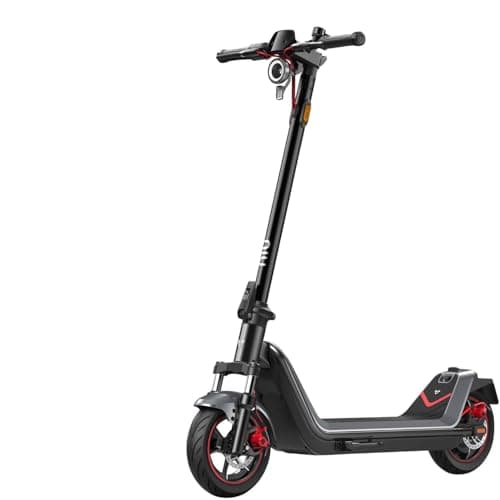 NIU KQi 300X1.9 more measured miles than the Max G3, 5.5 lb lighter, and dual disc brakes rather than a disc-plus-regen compromise. The closest thing to a straight substitution. | Best all-round commuter | 5.2 | $369.99 · View on Amazon #ad How we are funded · Price as of November 14, 2026 |
| 2 | 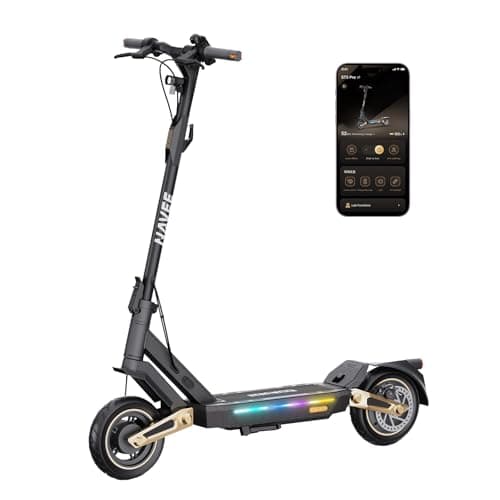 NAVEE ST3 ProMatches the Max G3's 24.9 measured miles exactly, with a front drum that keeps working when the road is soaked. Heavier, and slower. | Value commuter | 5.3 | $709.99 · View on Amazon #ad How we are funded · Price as of November 14, 2026 |
| 3 |  VMAX VX2 Hub (18.2 Ah)10.7 more measured miles than the Max G3 with the same IPX6 sealing and a higher payload. The range upgrade, at 2.9 lb more. | Best measured range | 6.4 | |
| 4 |  Apollo GoIP66 and 8.2 lb lighter, with 700 W behind it. The alternative for rain and stairs, and the range is where it pays for that. | Most capable lightweight | 5.9 | |
| 5 | 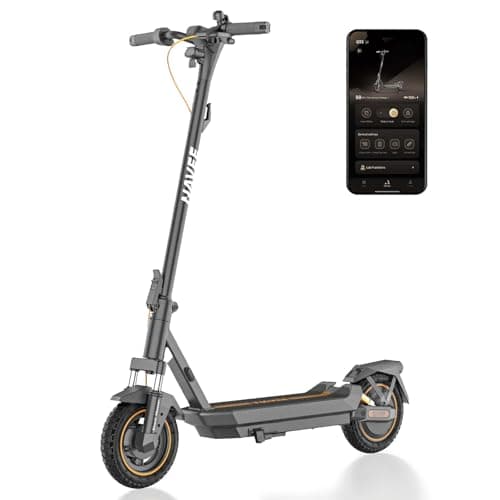 NAVEE GT3 ProThe budget pick: 23.3 measured miles and IPX5 for a fraction of the Max G3's MSRP. A 400 W motor is the compromise. | Best budget overall | 5.2 | $489.99 · View on Amazon #ad How we are funded · Price as of November 14, 2026 |
| 6 |  INMOTION Climber286 lb of payload at 45.8 lb with 900 W of claimed continuous output. The alternative if your route is the problem rather than the price. | Best on hills | 6.4 |
Scores are computed from published specifications using the rubric on our research methodology page. Tap any row to jump to the full write-up.
Every pick in full
Each model below lists what the maker publishes, what an independent tester measured, and the trade-off you accept by choosing it. Nothing here is perfect.
NIU KQi 300X
1.9 more measured miles than the Max G3, 5.5 lb lighter, and dual disc brakes rather than a disc-plus-regen compromise. The closest thing to a straight substitution.
- Range:
- 26.8 milesMeasured (eRideHero, Sep 2026)
- Top speed:
- 23.6 mphMeasured (eRideHero, Sep 2026)
- Weight:
- 48.7 lbMeasured (eRideHero, Sep 2026)
- Max rider:
- 265 lbMeasured (eRideHero, Sep 2026)
What is good
- 26.8 measured miles is more real range than most scooters twice its weight
- Dual disc brakes front and rear rather than a disc-plus-regen compromise
- 500 W is the threshold where 8-10% grades stop being a problem
What you give up
- 48.7 lb is a two-hands-and-a-pause lift, not a one-hand carry
- No IP rating published in the test data we found
- 265 lb payload ceiling rules it out for heavier riders
#ad How we are funded · Price as of November 14, 2026
NAVEE ST3 Pro
Matches the Max G3's 24.9 measured miles exactly, with a front drum that keeps working when the road is soaked. Heavier, and slower.
- Range:
- 24.9 milesMeasured (eRideHero, Sep 2026)
- Top speed:
- 24.8 mphMeasured (eRideHero, Sep 2026)
- Weight:
- 55 lbMeasured (eRideHero, Sep 2026)
- Max rider:
- 265 lbMeasured (eRideHero, Sep 2026)
What is good
- Drum front and disc rear — the drum keeps working when the road is soaked
- 600 W clears the threshold for 8-10% grades with a typical adult aboard
- Range and speed both measured near 25, which is a rare balance
What you give up
- 55 lb rules out regular stair carries
- 265 lb payload, the same ceiling as far cheaper scooters
- Brake feel on a drum is duller than a hydraulic disc
#ad How we are funded · Price as of November 14, 2026
VMAX VX2 Hub (18.2 Ah)
10.7 more measured miles than the Max G3 with the same IPX6 sealing and a higher payload. The range upgrade, at 2.9 lb more.
- Range:
- 35.6 milesMeasured (eRideHero, Sep 2026)18.2 Ah battery variant
- Top speed:
- 33.5 mphMeasured (eRideHero, Sep 2026)
- Weight:
- 57.1 lbMeasured (eRideHero, Sep 2026)
- Max rider:
- 287 lbMeasured (eRideHero, Sep 2026)
What is good
- 35.6 measured miles is the longest independently verified range here under 60 lb
- IPX6 — the top weather rating in this data set
- 287 lb payload with the range to match
What you give up
- 33.5 mph on a 500 W motor means the top speed arrives slowly
- 57.1 lb is the practical ceiling for a scooter you fold into a car
- No brake type published in the test data we found
Apollo Go
IP66 and 8.2 lb lighter, with 700 W behind it. The alternative for rain and stairs, and the range is where it pays for that.
- Range:
- 19.8 milesMeasured (eRideHero, Sep 2026)
- Top speed:
- 26.7 mphMeasured (eRideHero, Sep 2026)
- Weight:
- 46 lbMeasured (eRideHero, Sep 2026)
- Max rider:
- 265 lbMeasured (eRideHero, Sep 2026)
What is good
- IP66 — dust-tight and rated for powerful water jets, the best rating in the dataset
- 700 W at 46 lb gives a genuinely good power-to-weight ratio for hills
- A drum brake is the right choice on a scooter meant to be ridden wet
What you give up
- 19.8 measured miles is the weak spot
- Regen is a supplement, not a second friction brake
- 265 lb payload despite the capable hardware
NAVEE GT3 Pro
The budget pick: 23.3 measured miles and IPX5 for a fraction of the Max G3's MSRP. A 400 W motor is the compromise.
- Range:
- 23.3 milesMeasured (eRideHero, Sep 2026)
- Top speed:
- 20.6 mphMeasured (eRideHero, Sep 2026)
- Weight:
- 48.5 lbMeasured (eRideHero, Sep 2026)
- Max rider:
- 265 lbMeasured (eRideHero, Sep 2026)
What is good
- 23.3 measured miles at a budget price is the standout number in the set
- IPX5 means real rain and road spray, not just a light shower
- 20.6 mph is enough to hold a bike lane without drama
What you give up
- 48.5 lb for a budget scooter — you are not carrying this far
- 400 W limits it on sustained climbs
- No brake type published in the test data we found
#ad How we are funded · Price as of November 14, 2026
INMOTION Climber
286 lb of payload at 45.8 lb with 900 W of claimed continuous output. The alternative if your route is the problem rather than the price.
- Range:
- 24.7 milesMeasured (eRideHero, Sep 2026)
- Top speed:
- 23.4 mphMeasured (eRideHero, Sep 2026)
- Weight:
- 45.8 lbMeasured (eRideHero, Sep 2026)
- Max rider:
- 286 lbMeasured (eRideHero, Sep 2026)
What is good
- Singled out for hill performance by a publication that tests on real gradients
- 45.8 lb is unusually light for a scooter built to climb
- 286 lb payload gives climbing headroom for a heavier rider
What you give up
- A 20-degree gradeability claim is the maker's, and nobody has published a hill test of it
- 23.4 mph is modest — climbing hardware is geared, not fast
- 24.7 measured miles against a 35-mile claim is 71% delivered, and shrinks further on hills
Listed at $599Claim (Rider Guide, Oct 2026)MSRP, not a street price; retailer listings sit higher when we read that page. That is a dated figure, not a live one — check the current price before you buy.
Side by side with the Max G3
| Model | Range | Top speed | Weight | Max rider | Motor | Brakes | IP | Price |
|---|---|---|---|---|---|---|---|---|
| Segway Ninebot Max G3 | 24.9 milesMeasured | 28 mphMeasured | 54.2 lbMeasured | 286 lbMeasured | 850 WMeasured | Dual discMeasured | IPX6Claim | $999.00 · View on Amazon #ad How we are funded · Price as of November 14, 2026 |
| NIU KQi 300X | 26.8 milesMeasured | 23.6 mphMeasured | 48.7 lbMeasured | 265 lbMeasured | 500 WMeasured | Dual discMeasured | Not published | $369.99 · View on Amazon #ad How we are funded · Price as of November 14, 2026 |
| NAVEE ST3 Pro | 24.9 milesMeasured | 24.8 mphMeasured | 55 lbMeasured | 265 lbMeasured | 600 WMeasured | Drum + discMeasured | IPX5Claim | $709.99 · View on Amazon #ad How we are funded · Price as of November 14, 2026 |
| VMAX VX2 Hub (18.2 Ah) | 35.6 milesMeasured18.2 Ah battery variant | 33.5 mphMeasured | 57.1 lbMeasured | 287 lbMeasured | 500 WMeasured | Not published | IPX6Claim | |
| Apollo Go | 19.8 milesMeasured | 26.7 mphMeasured | 46 lbMeasured | 265 lbMeasured | 700 WMeasured | Drum + regenMeasured | IP66Claim | |
| NAVEE GT3 Pro | 23.3 milesMeasured | 20.6 mphMeasured | 48.5 lbMeasured | 265 lbMeasured | 400 WMeasured | Not published | IPX5Claim | $489.99 · View on Amazon #ad How we are funded · Price as of November 14, 2026 |
| INMOTION Climber | 24.7 milesMeasured | 23.4 mphMeasured | 45.8 lbMeasured | 286 lbMeasured | Dual-driven, 900 W continuous (1,500 W peak)Claim | DrumClaimRetailer listings describe a rear disc plus electronic braking on both wheels, so treat the exact hardware as unsettled | IPX6Claim |
Measured figures come from a named third-party test; Claim figures come from the manufacturer. Sources are listed under each model below. Price links are paid affiliate links. Empty specifications read “Not published” rather than being estimated.
The Max G3 is the first row, so every column reads as a comparison rather than a ranking. Read down the range column and the point of this page becomes obvious: two machines here beat its measured range, one matches it exactly, and the cheapest alternative gives up only 1.6 miles to it.
If the price is the problem
This is the reason most of these searches happen, so it goes first. The NAVEE GT3 Pro measured 23.3 miles at 20.6 mph with a published IPX5 rating and dual suspension (eRideHero, Sep 2026). Against the Max G3 that is 1.6 fewer measured miles, 7.4 mph less and one sealing tier down, from a machine positioned at the budget end of the market. For a flat commute under 10 miles each way, there is very little in that gap you would notice.
What you do notice is the motor. 400 W against 850 W is the one specification where the difference is not marginal, and it shows up as a slow crawl on anything sustained. At 48.5 lb it is also not meaningfully lighter than the Max G3 — budget scooters save money on the drivetrain, not the frame.
The NIU KQi 300X is the better buy if your budget stretches past the GT3 Pro and stops well short of the Max G3: 26.8 measured miles, 23.6 mph, 48.7 lb and dual disc brakes (eRideHero, Sep 2026). It is the pick at the top of this page for a reason, and the KQi 300X against the Max G3 head to head goes through the trade in full. Its missing specification is the IP rating: nobody published one in the test data we found, so treat it as unrated rather than as sealed.
If the range is the problem
24.9 measured miles is mid-pack for the hardware, and it is the Max G3 figure most likely to send a buyer looking. The VMAX VX2 Hub in its 18.2 Ah form measured 35.6 miles — 10.7 more — at 33.5 mph, with the same IPX6 claim and a 287 lb payload (eRideHero, Sep 2026). It is the only machine on this page that beats the Max G3 on range, sealing and payload at once.
Two honest caveats. It weighs 57.1 lb, which is 2.9 lb worse than the scooter you are replacing and about the practical ceiling for something you fold into a car. And no brake type was published in the test data we found, which on a machine measured at 33.5 mph is the specification you would most want to see — our brake hardware ranking explains why the difference between a drum, a mechanical disc and a hydraulic disc is the whole safety story at that speed.
The VMAX VX2 Pro GT, which is on the KQi Air alternatives page instead, measured 39.6 miles at 45.6 lb (eRideHero, Sep 2026) and is the better machine if range per pound rather than outright range is what you are chasing. It is slower than the Max G3 by 4.1 mph.
If the weight is the problem
The Apollo Go is the answer here, and it is a narrower answer than it looks. eRideHero put it on a scale at 46 lb — 8.2 lb lighter than the Max G3 — and measured 26.7 mph out of 700 W, with a published IP66 rating (eRideHero, Sep 2026) (Apollo Scooters, Oct 2026). IP66 is dust-tight as well as jet-rated, which is a tier above the Max G3’s IPX6 on the dust axis and equal on water.
The cost is range, and it is a real cost: 19.8 measured miles against a 36-mile claim (eRideHero, Sep 2026) (Apollo Scooters, Oct 2026), which is 5.1 fewer real miles than the Max G3 delivers. It also brakes on a drum plus regen rather than two friction brakes, and regeneration is a supplement rather than a second brake. For a short wet commute with stairs at one end it is the best machine on this page; for a 12-mile each-way run it is the wrong one.
If 46 lb is still too much, nothing on this page will help and the right page is lightweight folding scooters, where the NIU KQi Air sits at a measured 26.4 lb with 24.2 measured miles (eRideHero, Sep 2026) — the same real range as the Max G3 at half the weight, for a price that reflects it.
If the hills are the problem
850 W is the Max G3’s climbing figure and most of this page cannot match it. The INMOTION Climber is the exception, and it is the alternative Rider Guide singles out for hill performance: a claimed 900 W continuous and 1,500 W peak, a claimed 20-degree gradeability, and a 286 lb payload rating at a measured 45.8 lb (Rider Guide, Oct 2026) (eRideHero, Sep 2026). That combination — the Max G3’s payload class, more claimed continuous output, and 8.4 lb less to carry — is unusual.
Be clear about what is claimed and what is measured there. The 900 W, the 20-degree grade, the IPX6 rating and the brake hardware are all INMOTION’s published figures; what eRideHero measured was 24.7 miles, 23.4 mph, 45.8 lb and the 286 lb rating (eRideHero, Sep 2026). The 24.7 measured miles against a 35-mile claim is 71% delivered, right on the study average, and a hilly route takes its cut from the measured number as well. How steep a hill a scooter can actually climb works through why a gradeability claim without a rider weight attached tells you very little.
The NAVEE ST3 Pro is the pick if what you want from the Max G3 is its all-weather competence rather than its climbing. It matched the Max G3’s 24.9 measured miles exactly, at 24.8 mph with 600 W, a published IPX5 rating and a front drum brake paired with a rear disc (eRideHero, Sep 2026). An enclosed drum cannot pick up grit or glaze a pad in the rain, which makes it the most consistent wet-weather brake on this page. It is also 0.8 lb heavier than the scooter you are replacing and 21 lb lower on payload.
What we do not know
Frequently asked questions
▸What is the best alternative to the Segway Ninebot Max G3?
The NIU KQi 300X, on the measured figures: 26.8 miles of tested range against the Max G3’s 24.9, at 48.7 lb against 54.2, with dual disc brakes. You give up the Max G3’s IPX6 sealing, its 850 W motor and 21 lb of payload headroom, and the KQi 300X has no published IP rating at all in the data we found.
▸Is there a cheaper scooter that does what the Max G3 does?
Partly. The NAVEE GT3 Pro measured 23.3 miles with a published IPX5 rating, which is 1.6 fewer real miles and one sealing tier down from the Max G3 for considerably less money. The gap you will notice is the motor: 400 W against 850 W is a slow crawl on sustained climbs.
▸Which scooter has more range than the Segway Max G3?
The VMAX VX2 Hub in its 18.2 Ah form, which measured 35.6 miles against the Max G3’s 24.9, with the same IPX6 claim and a higher 287 lb payload. It weighs 57.1 lb, and no brake type was published in the test data we found.
▸Is a Segway Ninebot Max worth the extra money?
For a heavier rider, a wet-weather commuter or anyone who wants a dealer network behind the purchase, yes — the 286 lb payload, the IPX6 rating and Segway’s parts and service coverage are all things the cheaper alternatives do not have. For a flat commute under 10 miles each way in fair weather, you are paying for headroom you will not use.
▸Why do people look for Segway Ninebot Max alternatives?
Mostly price, and partly the previous generation. The Ninebot Max G30P delivered 21.6 tested miles against a 40.4-mile claim in the twelve-model study we cite, the worst result in it. The current G3 is a different machine and its 24.9 miles is a measurement rather than a claim, so that result does not carry over.
Read next
Kick & Volt does not ride or bench-test scooters. Every real-world figure on this page is attributed to the third party that measured it — how we research this.