The best 25 mph electric scooters
Twenty-five measured miles an hour is the most useful speed in this market: fast enough to hold a traffic lane, slow enough that a scooter with two friction brakes can actually stop from it, and inside most state definitions of a scooter.
By Ryder M. · Published November 21, 2026
Kick & Volt earns a commission when you buy through our Amazon links, at no extra cost to you. It never changes what we recommend or how we rank it — read the full disclosure.
The short answer
The best 25 mph electric scooter is the NAVEE ST3 Pro: eRideHero measured 24.8 mph and 24.9 miles out of it, on a 600 W motor with a front drum brake, a rear disc, self-healing tubeless tires and a published IPX5 rating (eRideHero, Sep 2026). It is the only machine in this band with two real friction brakes and a sealing rating. The budget pick is the NIU KQi 300X, which measured 23.6 mph with dual disc brakes and the most tested range in the set at 26.8 miles, at the lowest live price here as of November 28, 2026 (eRideHero, Sep 2026). Five scooters in our registry have a measured top speed between 23.6 and 25 mph. Everything advertised at “25 mph” without a measurement behind it is a claim.
The legal reason to stop at 25
Most US states that define an electric scooter at all define it with a speed cap, and the numbers that recur are 15, 20 and 25 mph. Above the cap a machine is generally not a scooter in the eyes of the statute — it becomes a moped or a motor vehicle, with the registration, licensing and insurance that implies. Are electric scooters legal works through the thresholds and whether you need a license covers what changes when you cross one.
That is the practical argument for this band rather than the 30 or 40 mph bands. A 52 mph machine is a wonderful thing on private land and an enforcement problem on a bike path. A 25 mph machine holds a 25 mph traffic lane, keeps up with city traffic and stays inside the definition almost everywhere. Street-legal electric scooters ranks the segment on legality specifically.
How these were ranked
Brake hardware first, then measured speed, then measured range, then payload. Brakes first because speed is the easy part — any 500 W machine will reach 25 mph downhill, and the question that matters is what stops it. Brakes explained ranks the hardware tiers: two friction brakes beat one friction brake plus regeneration, and hydraulic beats cable.
Inclusion needs an independently measured top speed between 23.6 and 25.0 mph. Machines that measured 28 mph and above live on the 30 mph page — which is why the Segway Ninebot Max G3 at 28 measured mph is in the table below as a reference rather than as a pick (eRideHero, Sep 2026). Machines whose only speed figure is the maker’s do not appear at all.
| # | Product | Best for | Score | Price |
|---|---|---|---|---|
| 1 | 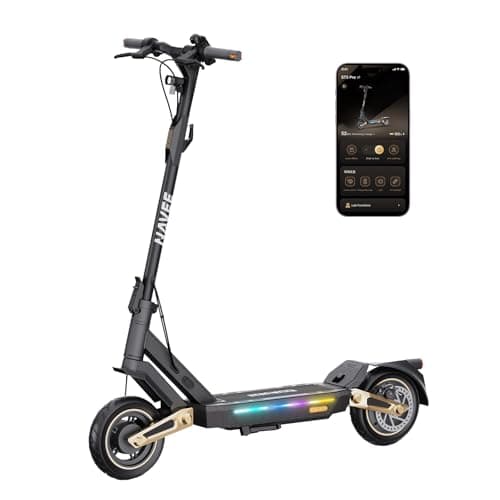 NAVEE ST3 ProThe pick: 24.8 measured mph with a front drum and a rear disc, 600 W, IPX5 and 24.9 measured miles. | Value commuter | 5.3 | $599.99 · View on Amazon #ad How we are funded · Price as of November 28, 2026 |
| 2 | VMAX VX2 LiteFor a wet climate, with a caveat: 25.0 measured mph on a front drum plus rear regeneration, which is one friction brake. | Best under $1,000 | 5.1 | |
| 3 | 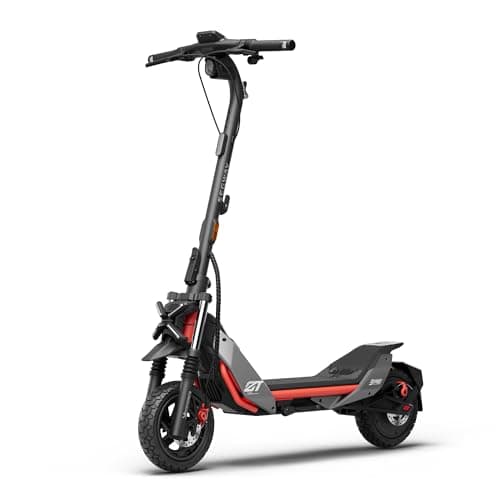 Segway ZT3 ProFor broken pavement: 24.7 measured mph with the best ride quality in its payload bracket, at 65.5 lb. | Best all-terrain ride quality | 4.7 | $789.98 · View on Amazon #ad How we are funded · Price as of November 28, 2026 |
| 4 |  VMAX VX4 GTFor a heavier rider: 25.0 measured mph on a 330 lb rating with 42.5 measured miles behind it. | 330 lb payload with real range | 7.0 | |
| 5 | 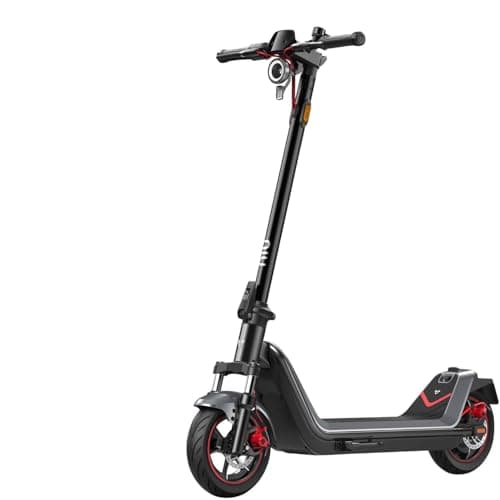 NIU KQi 300XThe budget pick: 23.6 measured mph with dual disc brakes and 26.8 measured miles, at the lowest live price here. | Best all-round commuter | 5.2 | $369.99 · View on Amazon #ad How we are funded · Price as of November 28, 2026 |
Scores are computed from published specifications using the rubric on our research methodology page. Tap any row to jump to the full write-up.
Every pick in full
Each model below lists what the maker publishes, what an independent tester measured, and the trade-off you accept by choosing it. Nothing here is perfect.
NAVEE ST3 Pro
The pick: 24.8 measured mph with a front drum and a rear disc, 600 W, IPX5 and 24.9 measured miles.
- Range:
- 24.9 milesMeasured (eRideHero, Sep 2026)
- Top speed:
- 24.8 mphMeasured (eRideHero, Sep 2026)
- Weight:
- 55 lbMeasured (eRideHero, Sep 2026)
- Max rider:
- 265 lbMeasured (eRideHero, Sep 2026)
What is good
- Drum front and disc rear — the drum keeps working when the road is soaked
- 600 W clears the threshold for 8-10% grades with a typical adult aboard
- Range and speed both measured near 25, which is a rare balance
What you give up
- 55 lb rules out regular stair carries
- 265 lb payload, the same ceiling as far cheaper scooters
- Brake feel on a drum is duller than a hydraulic disc
#ad How we are funded · Price as of November 28, 2026
VMAX VX2 Lite
For a wet climate, with a caveat: 25.0 measured mph on a front drum plus rear regeneration, which is one friction brake.
- Range:
- 19.3 milesMeasured (Rider Guide, Sep 2026)
- Top speed:
- 25 mphMeasured (Rider Guide, Sep 2026)
- Weight:
- 52.1 lbMeasured (Rider Guide, Sep 2026)
What is good
- A front drum brake is the low-maintenance choice for a wet climate
- 25 mph from a scooter positioned below the $800 band
- VMAX's measured range figures hold up better than most across this dataset
What you give up
- Rear regen is not a real second brake — you are riding on one friction brake
- 19.3 miles is modest for the money
- 52.1 lb
Listed at $799Measured (Rider Guide, Sep 2026) when we read that page. That is a dated figure, not a live one — check the current price before you buy.
Segway ZT3 Pro
For broken pavement: 24.7 measured mph with the best ride quality in its payload bracket, at 65.5 lb.
- Range:
- 22.7 milesMeasured (eRideHero, Sep 2026)
- Top speed:
- 24.7 mphMeasured (eRideHero, Sep 2026)
- Weight:
- 65.5 lbMeasured (eRideHero, Sep 2026)
- Max rider:
- 265 lbMeasured (eRideHero, Sep 2026)
What is good
- Singled out for ride quality by a tester that rides on mixed surfaces
- 24.7 mph is a sensible ceiling for an all-terrain scooter with a 265 lb payload
- Segway's suspension is the reason this is the comfortable choice
What you give up
- 65.5 lb for 22.7 miles is a poor weight-to-range ratio
- 265 lb payload is low for a machine this substantial
- No brake or IP spec published in the data we sourced
#ad How we are funded · Price as of November 28, 2026
VMAX VX4 GT
For a heavier rider: 25.0 measured mph on a 330 lb rating with 42.5 measured miles behind it.
- Range:
- 42.5 milesMeasured (eRideHero, Sep 2026)
- Top speed:
- 25 mphMeasured (eRideHero, Sep 2026)
- Weight:
- 63.9 lbMeasured (eRideHero, Sep 2026)
- Max rider:
- 330 lbMeasured (eRideHero, Sep 2026)
What is good
- 42.5 measured miles at a 330 lb rating — the combination heavier riders normally cannot get
- 25 mph is enough for any bike lane and most surface streets
- 63.9 lb is heavy but still a two-person car load
What you give up
- Not a scooter you carry anywhere
- No IP rating or brake spec published in the source we used
- 25 mph will feel slow if you have ridden anything faster
NIU KQi 300X
The budget pick: 23.6 measured mph with dual disc brakes and 26.8 measured miles, at the lowest live price here.
- Range:
- 26.8 milesMeasured (eRideHero, Sep 2026)
- Top speed:
- 23.6 mphMeasured (eRideHero, Sep 2026)
- Weight:
- 48.7 lbMeasured (eRideHero, Sep 2026)
- Max rider:
- 265 lbMeasured (eRideHero, Sep 2026)
What is good
- 26.8 measured miles is more real range than most scooters twice its weight
- Dual disc brakes front and rear rather than a disc-plus-regen compromise
- 500 W is the threshold where 8-10% grades stop being a problem
What you give up
- 48.7 lb is a two-hands-and-a-pause lift, not a one-hand carry
- No IP rating published in the test data we found
- 265 lb payload ceiling rules it out for heavier riders
#ad How we are funded · Price as of November 28, 2026
Side by side
| Model | Range | Top speed | Weight | Max rider | Motor | Brakes | IP | Price |
|---|---|---|---|---|---|---|---|---|
| NAVEE ST3 Pro | 24.9 milesMeasured | 24.8 mphMeasured | 55 lbMeasured | 265 lbMeasured | 600 WMeasured | Drum + discMeasured | IPX5Claim | $599.99 · View on Amazon #ad How we are funded · Price as of November 28, 2026 |
| VMAX VX2 Lite | 19.3 milesMeasured | 25 mphMeasured | 52.1 lbMeasured | Not published | Not published | Front drum plus rear regenMeasured | Not published | |
| Segway ZT3 Pro | 22.7 milesMeasured | 24.7 mphMeasured | 65.5 lbMeasured | 265 lbMeasured | Not published | Not published | Not published | $789.98 · View on Amazon #ad How we are funded · Price as of November 28, 2026 |
| VMAX VX4 GT | 42.5 milesMeasured | 25 mphMeasured | 63.9 lbMeasured | 330 lbMeasured | Not published | Not published | Not published | |
| NIU KQi 300X | 26.8 milesMeasured | 23.6 mphMeasured | 48.7 lbMeasured | 265 lbMeasured | 500 WMeasured | Dual discMeasured | Not published | $369.99 · View on Amazon #ad How we are funded · Price as of November 28, 2026 |
| Segway Ninebot Max G3 | 24.9 milesMeasured | 28 mphMeasured | 54.2 lbMeasured | 286 lbMeasured | 850 WMeasured | Dual discMeasured | IPX6Claim | $999.99 · View on Amazon #ad How we are funded · Price as of November 28, 2026 |
Measured figures come from a named third-party test; Claim figures come from the manufacturer. Sources are listed under each model below. Price links are paid affiliate links. Empty specifications read “Not published” rather than being estimated.
The last row is the Segway Ninebot Max G3 at 28 measured mph, above this band and in the table as the step up. Read the brakes column: three of the six rows publish nothing there, and at this speed that is the cell you would most want filled.
The brake question at 25 mph
Twenty-five miles an hour is roughly where a single brake stops being defensible. Stopping distance scales with the square of speed, so a 25 mph stop asks about 56% more energy dissipation than a 20 mph one from the same rider and machine — and the brake that has to do it is on a vehicle with two small contact patches.
Of the five picks here, three publish their hardware. The ST3 Pro runs a front drum and a rear disc, the KQi 300X runs dual discs, and the VX2 Lite runs a front drum plus rear regeneration (eRideHero, Sep 2026) (Rider Guide, Sep 2026). That last one is the important distinction: regenerative braking is not a second friction brake. It fades as the pack fills and gives you almost nothing when the battery is full, which is the state your scooter is in at the top of a hill. On the VX2 Lite you are riding on one friction brake.
The ZT3 Pro and the VX4 GT publish no brake type in the data we used (eRideHero, Sep 2026). That is not the same as a bad brake, but at 25 mph it is the first question to ask a retailer. Scooters with hydraulic brakes covers the top tier if braking is your deciding factor, and scooters with drum brakes covers the wet-weather case the ST3 Pro and VX2 Lite are built around.
Why your scooter says 28 and does 25
Advertised top speed is measured the same way advertised range is: light rider, flat ground, full battery, best case. A heavier rider, a slight incline or a half-empty pack all take mph off, and controllers taper output as cells drain so the last few miles are slower than the first.
The gap is usually smaller than the range gap — speed is harder to overstate than endurance — but it is real, and every figure on this page is the number somebody recorded rather than the number on the box. Claimed against measured top speed carries the comparison, and how fast electric scooters go is the reference page for the whole question.
If you want more than 25
The honest advice is to be clear about why. More speed on the same brake hardware is a worse machine, not a better one, and the legal picture changes at the cap. 30 mph electric scooters is the next band up and fast electric scooters for adults covers the segment with the limits stated. Above 40, scooters measured at 50 mph and up is where the hyperscooters live, and essentially none of them is street-legal.
If what you actually want is more range at the same sane speed, scooters with a real 30-mile range is the better page, and the fastest scooters under $1,000 approaches the speed question from the budget side.
And if 25 mph is prompting you to compare a scooter with something else entirely, that is a reasonable instinct at this speed: electric scooter against bicycle and electric scooter against skateboard both work through the comparison on cost, effort and where each one is legal. The whole reference section lives in our guides.
What we do not know
Frequently asked questions
▸What is the best 25 mph electric scooter?
The NAVEE ST3 Pro: 24.8 measured mph and 24.9 measured miles, with a front drum brake, a rear disc, a 600 W motor and a published IPX5 rating. It is the only machine in this band with two real friction brakes and a sealing rating.
▸Is 25 mph fast enough for an electric scooter?
For road and bike-lane use, yes — it holds a 25 mph traffic lane and keeps up with city traffic. It is also the fastest band most US state statutes still call a scooter, so it avoids the moped registration and licensing questions that start above the cap.
▸Which 25 mph scooter has the best brakes?
The NAVEE ST3 Pro, with a front drum plus a rear disc — two real friction brakes, one of them enclosed so it cannot pick up grit in the wet. The NIU KQi 300X runs dual discs, which is the strongest dry stop in the set.
▸Will a scooter advertised at 25 mph really do 25?
Closer than with range, but not exactly. Advertised speed assumes a light rider, flat ground and a full battery, and controllers taper output as cells drain. Every figure on this page is a measurement rather than a claim for that reason.
▸What is the cheapest 25 mph electric scooter?
Of the machines with a live price at our last check, the NIU KQi 300X — 23.6 measured mph with dual disc brakes and 26.8 measured miles, which is the most tested range of anything in this band.
Read next
Kick & Volt does not ride or bench-test scooters. Every real-world figure on this page is attributed to the third party that measured it — how we research this.