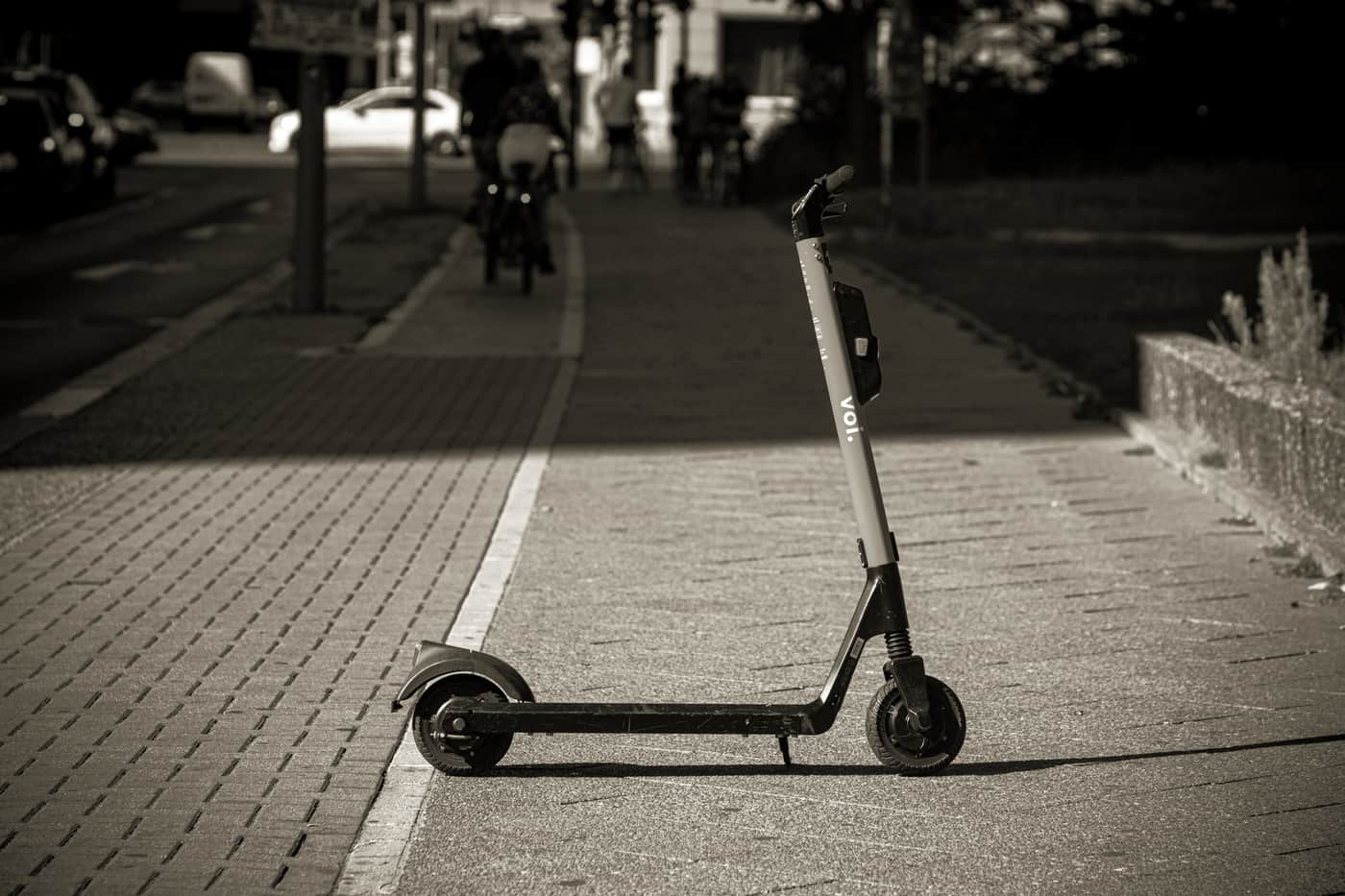
Electric scooter vs mobility scooter
Two completely different vehicles sold under overlapping names. One is a 20 mph stand-up commuter; the other is a low-speed four-wheeled seated device for people who cannot walk far. Buying the wrong one is an expensive mistake.
By Ryder M. · Published October 10, 2026
Kick & Volt earns a commission when you buy through our Amazon links, at no extra cost to you. It never changes what we recommend or how we rank it — read the full disclosure.
The short answer
An electric scooter is a two-wheeled stand-up vehicle you ride at 15 to 28 mph; a mobility scooter is a low-speed three- or four-wheeled seated device, typically 4 to 8 mph, designed for people who cannot walk far. They are not versions of each other. If balance, standing or walking distance is the reason you are shopping, you want a mobility scooter and this site does not cover them. If you can stand and balance and want to replace short car journeys, you want an electric scooter, and the gentlest options we hold data for are below.
Two different vehicles
The confusion is real and it is the search engines’ fault as much as anyone’s: “electric scooter”, “motorized scooter” and “mobility scooter” return overlapping results, and buyers end up comparing a 55 lb folding commuter with a 200 lb four-wheeled device. The differences that matter:
- Wheels and balance. An e-scooter has two wheels in line and requires you to balance it, exactly like a bicycle. A mobility scooter has three or four wheels and stands up on its own.
- Speed. E-scooters in our registry measure 15.5 to 73.5 mph. Mobility scooters are typically governed to walking-to-jogging pace.
- Posture. Standing on a deck versus sitting in a seat with a backrest and armrests. Even a seated e-scooter is a saddle on a performance machine rather than a chair.
- Where they belong. Mobility devices are generally permitted on sidewalks and in buildings as mobility aids; e-scooters frequently are not — are electric scooters legal covers that distinction.
- How they are bought. Mobility scooters are sold through medical-equipment channels, sometimes with clinical assessment and insurance involvement. E-scooters are consumer electronics.
Which are you shopping for?
A short test, and it is about you rather than the vehicle.
You want a mobility scooter if standing for several minutes is difficult, balance is a concern, you need to sit with back support, you will use it indoors and on sidewalks, or the purpose is covering distance you can no longer walk. In that case stop reading product pages on this site: we have no mobility-scooter data, we will not improvise any, and a medical-equipment supplier is the right place to go.
You want an electric scooter if you can stand and balance comfortably, the purpose is replacing short car or bus journeys, you are riding on roads and bike lanes, and you want something that folds or at least lives outside the house. If standing is the only obstacle, a seated e-scooter may bridge it — seated versus standing is the decision page and scooters for seniors and older adults is the round-up written for exactly that reader.
The gentlest e-scooters we hold data for
Four models at the low-speed, seated or short-range end of our registry — the closest an electric scooter gets to the use case people searching for a mobility scooter have in mind. Read the payload rows carefully; the cheapest one stops at 220 lb.
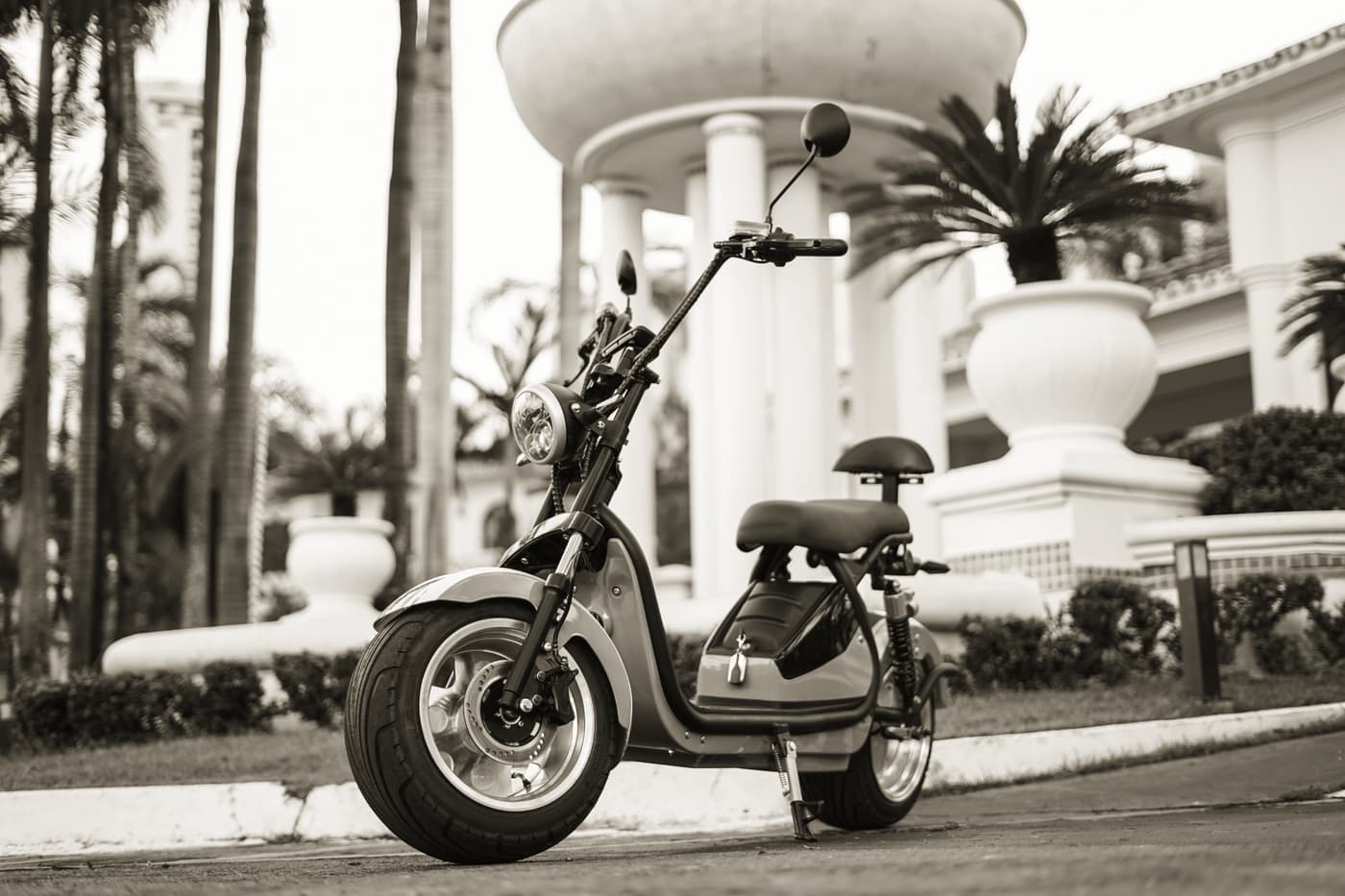
GoTrax A5
The cheapest way into a seated scooter, at a listed $300 — and the 220 lb payload is the reason it is cheap.
The moped-style seated scooter most people actually mean: dual 500 W motors, XTECH hydraulics, listed at $1,695.

JackRabbit XG Pro
37 lb with a seat and a 749 W motor — the only seated machine here you can carry, at a listed $2,249.

NIU KQi 100F
A genuinely cheap compact that measured 11.4 miles — enough for a short campus or last-mile hop and nothing more.
What this site does not cover
Kick & Volt covers stand-up and seated electric scooters for adults, and nothing else. We hold no data on mobility scooters, power wheelchairs, electric unicycles or e-mopeds, and we will not rank a vehicle class we have no sourced figures for. We also give no medical advice and make no claim about what any device is suitable for with a particular condition — our methodology and editorial policy set the boundary.
If the honest answer is that neither vehicle fits, that is worth hearing before you spend. Of the four models above, the GoTrax A5 is the cheapest route to a seat at a listed $300 and is rated to only 220 lb with a claimed 15.5 mph (Rider Guide, Sep 2026), which rules out a great many adults; the JackRabbit XG Pro is 37 lb with a built-in seat and a 275 lb rating and lists at $2,249, which rules out a great many budgets. Those two facts together describe the seated end of this category fairly.
On the battery question
A large share of the search traffic that lands on this topic is asking how long the battery lasts, and the answer differs by vehicle because the use differs. For electric scooters we can be specific: published range is in miles, every independently measured figure in our registry is listed next to the claim, and the twelve-model study behind this site found an average delivery of 71% of claimed range (Rider Guide, Sep 2026). Converting that into hours of use is arithmetic we work through in how many hours a scooter battery lasts, and lifespan in years is covered in battery life and replacement.
For mobility scooters we hold no figures at all, so we offer none. Any number you see on this site is about an electric scooter.
What we do not know
Frequently asked questions
▸What is the difference between an electric scooter and a mobility scooter?
An electric scooter is a two-wheeled stand-up vehicle ridden at 15 to 28 mph that you have to balance. A mobility scooter is a low-speed three- or four-wheeled seated device, typically 4 to 8 mph, that stands up on its own and is designed for people who cannot walk far.
▸Can an electric scooter be used as a mobility aid?
Not as a substitute for one. An e-scooter requires balance and, in most cases, standing, and it is generally not permitted where mobility aids are. If walking distance or balance is the problem, a mobility scooter from a medical-equipment supplier is the right vehicle.
▸Are there electric scooters with seats for older adults?
Yes — seated electric scooters exist and some are genuinely suitable, but they are performance machines with saddles rather than mobility devices. Our seniors round-up and our seated-versus-standing guide cover what to look for and what each one gives up.
▸Does this site review mobility scooters?
No. We cover stand-up and seated electric scooters for adults only. We hold no sourced data on mobility scooters or power wheelchairs and will not publish figures we cannot attribute.
Read next
Kick & Volt does not ride or bench-test scooters. Every real-world figure on this page is attributed to the third party that measured it — how we research this.