The best electric scooters for winter riding
Cold costs you range, wet costs you braking, and salt costs you bearings. These five are ranked on the two specifications that address any of that — published sealing and brake hardware.
By Ryder M. · Published November 10, 2026
Kick & Volt earns a commission when you buy through our Amazon links, at no extra cost to you. It never changes what we recommend or how we rank it — read the full disclosure.
The short answer
For winter riding the pick is the Segway Ninebot Max G3: it publishes an IPX6 rating, the highest in our mainstream commuter set, with dual disc brakes, 11-inch self-healing tubeless tires and dual adjustable hydraulic suspension (eRideHero, Sep 2026). The budget pick is the NAVEE GT3 Pro, the lowest live price of any pick here that publishes an IP rating — IPX5, plus suspension at both ends (eRideHero, Sep 2026). If your winter is wet rather than cold, the NAVEE ST3 Pro’s enclosed front drum is the most consistent brake on this page (eRideHero, Sep 2026). Live prices as of November 14, 2026.
Winter is three problems
They are usually discussed as one and they have different answers. Coldtakes range off a lithium battery before you have ridden a mile. Wet changes how a brake behaves and how much grip a tire has. Salt and grit attack bearings, cables and electrical connectors over a season rather than a ride.
Only two published specifications address any of that: the IP rating and the brake type. Tire construction and suspension help with the surface, and weight decides whether you can carry a wet scooter inside. Nothing on a spec sheet addresses cold-weather range at all, which is why the section below is about expectations rather than about picks. Riding in cold weather and snow is the technique guide that sits alongside this page.
How these were ranked
Published IP rating first — IP66 and IPX6 above IPX5, IPX5 above IP55 on water, and an unpublished rating not ranked at all. Then brake hardware, with an enclosed drum treated as the most weather-consistent option rather than the strongest one. Then tire construction and suspension, then weight.
A machine with no published rating is excluded here even where we rate it highly elsewhere — the NIU KQi 300X is the clearest case, and it is a pick on four other pages on this site. Winter is the one application where “not published” is a disqualifier rather than a caveat.
| # | Product | Best for | Score | Price |
|---|---|---|---|---|
| 1 | 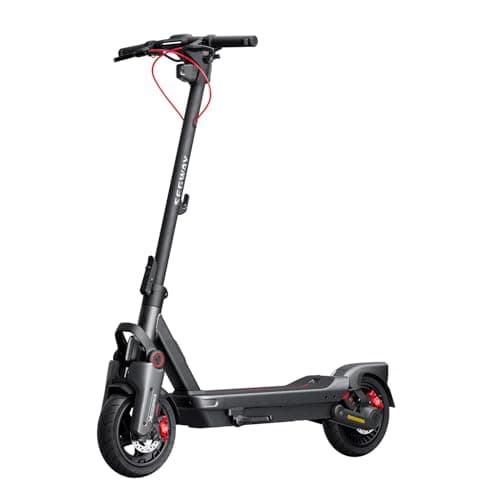 Segway Ninebot Max G3The pick: a published IPX6 rating — the highest in our mainstream set — with dual disc brakes and 11-inch self-healing tubeless tires. | Best ride quality | 6.1 | $999.00 · View on Amazon #ad How we are funded · Price as of November 14, 2026 |
| 2 | 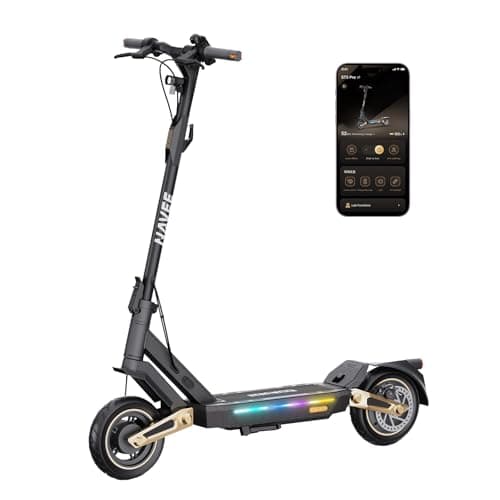 NAVEE ST3 ProThe best wet-weather brake here. An enclosed front drum cannot pick up grit or glaze a pad, with IPX5 sealing behind it. | Value commuter | 5.3 | $709.99 · View on Amazon #ad How we are funded · Price as of November 14, 2026 |
| 3 |  Apollo GoThe best-sealed machine on this page at IP66 — dust-tight as well as jet-rated — at 46 lb, for a route with a staircase at the end. | Most capable lightweight | 5.9 | |
| 4 | 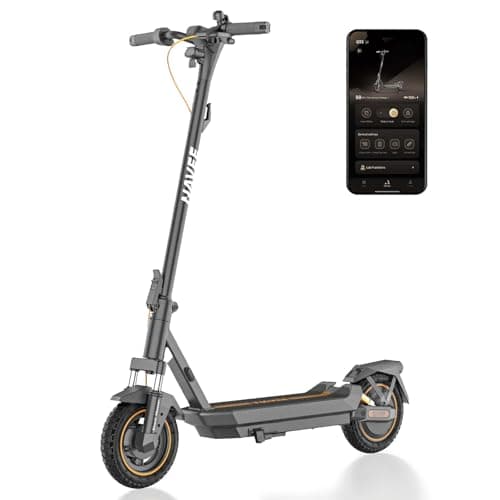 NAVEE GT3 ProThe budget pick: the lowest live price of any pick here that publishes an IP rating, plus suspension at both ends. | Best budget overall | 5.2 | $489.99 · View on Amazon #ad How we are funded · Price as of November 14, 2026 |
| 5 | 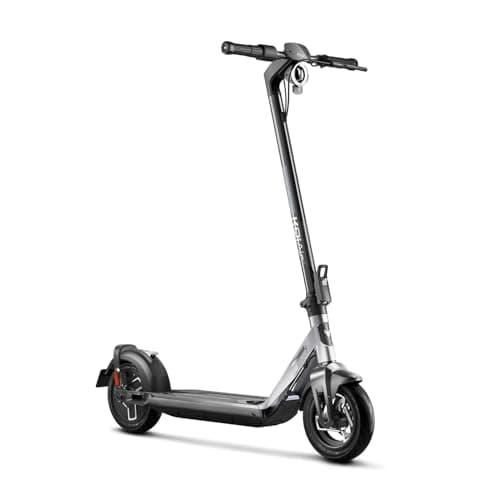 NIU KQi AirIP55 at 26.4 lb. The one to buy if winter means carrying a wet scooter indoors twice a day. | Carrying up stairs | 5.9 | $809.10 · View on Amazon #ad How we are funded · Price as of November 14, 2026 |
Scores are computed from published specifications using the rubric on our research methodology page. Tap any row to jump to the full write-up.
Every pick in full
Each model below lists what the maker publishes, what an independent tester measured, and the trade-off you accept by choosing it. Nothing here is perfect.
Segway Ninebot Max G3
The pick: a published IPX6 rating — the highest in our mainstream set — with dual disc brakes and 11-inch self-healing tubeless tires.
- Range:
- 24.9 milesMeasured (eRideHero, Sep 2026)
- Top speed:
- 28 mphMeasured (eRideHero, Sep 2026)
- Weight:
- 54.2 lbMeasured (eRideHero, Sep 2026)
- Max rider:
- 286 lbMeasured (eRideHero, Sep 2026)
What is good
- IPX6 is the highest weather rating in our mainstream commuter set
- 850 W handles 10%+ grades with an average adult aboard
- 286 lb payload gives genuine headroom over the usual 265 lb ceiling
What you give up
- 54.2 lb — folding it is easy, lifting it is not
- 24.9 measured miles is mid-pack despite the hardware
- 28 mph is more speed than most brake setups at this weight want
#ad How we are funded · Price as of November 14, 2026
NAVEE ST3 Pro
The best wet-weather brake here. An enclosed front drum cannot pick up grit or glaze a pad, with IPX5 sealing behind it.
- Range:
- 24.9 milesMeasured (eRideHero, Sep 2026)
- Top speed:
- 24.8 mphMeasured (eRideHero, Sep 2026)
- Weight:
- 55 lbMeasured (eRideHero, Sep 2026)
- Max rider:
- 265 lbMeasured (eRideHero, Sep 2026)
What is good
- Drum front and disc rear — the drum keeps working when the road is soaked
- 600 W clears the threshold for 8-10% grades with a typical adult aboard
- Range and speed both measured near 25, which is a rare balance
What you give up
- 55 lb rules out regular stair carries
- 265 lb payload, the same ceiling as far cheaper scooters
- Brake feel on a drum is duller than a hydraulic disc
#ad How we are funded · Price as of November 14, 2026
Apollo Go
The best-sealed machine on this page at IP66 — dust-tight as well as jet-rated — at 46 lb, for a route with a staircase at the end.
- Range:
- 19.8 milesMeasured (eRideHero, Sep 2026)
- Top speed:
- 26.7 mphMeasured (eRideHero, Sep 2026)
- Weight:
- 46 lbMeasured (eRideHero, Sep 2026)
- Max rider:
- 265 lbMeasured (eRideHero, Sep 2026)
What is good
- IP66 — dust-tight and rated for powerful water jets, the best rating in the dataset
- 700 W at 46 lb gives a genuinely good power-to-weight ratio for hills
- A drum brake is the right choice on a scooter meant to be ridden wet
What you give up
- 19.8 measured miles is the weak spot
- Regen is a supplement, not a second friction brake
- 265 lb payload despite the capable hardware
NAVEE GT3 Pro
The budget pick: the lowest live price of any pick here that publishes an IP rating, plus suspension at both ends.
- Range:
- 23.3 milesMeasured (eRideHero, Sep 2026)
- Top speed:
- 20.6 mphMeasured (eRideHero, Sep 2026)
- Weight:
- 48.5 lbMeasured (eRideHero, Sep 2026)
- Max rider:
- 265 lbMeasured (eRideHero, Sep 2026)
What is good
- 23.3 measured miles at a budget price is the standout number in the set
- IPX5 means real rain and road spray, not just a light shower
- 20.6 mph is enough to hold a bike lane without drama
What you give up
- 48.5 lb for a budget scooter — you are not carrying this far
- 400 W limits it on sustained climbs
- No brake type published in the test data we found
#ad How we are funded · Price as of November 14, 2026
NIU KQi Air
IP55 at 26.4 lb. The one to buy if winter means carrying a wet scooter indoors twice a day.
- Range:
- 24.2 milesMeasured (eRideHero, Sep 2026)
- Top speed:
- 20.1 mphMeasured (eRideHero, Sep 2026)
- Weight:
- 26.4 lbMeasured (eRideHero, Sep 2026)
- Max rider:
- 265 lbMeasured (eRideHero, Sep 2026)
What is good
- 26.4 lb is roughly half what a typical 24-mph commuter weighs
- 24.2 measured miles from a scooter this light is the outlier figure in our whole dataset
- IP55 covers dust ingress as well as road spray
What you give up
- 350 W is the least hill-capable motor of any scooter we recommend
- 265 lb payload — the standard ceiling, with no headroom for a rider near it
- Featherweight construction is the expensive way to build a scooter
#ad How we are funded · Price as of November 14, 2026
Side by side
| Model | Range | Top speed | Weight | Max rider | Motor | Brakes | IP | Price |
|---|---|---|---|---|---|---|---|---|
| Segway Ninebot Max G3 | 24.9 milesMeasured | 28 mphMeasured | 54.2 lbMeasured | 286 lbMeasured | 850 WMeasured | Dual discMeasured | IPX6Claim | $999.00 · View on Amazon #ad How we are funded · Price as of November 14, 2026 |
| NAVEE ST3 Pro | 24.9 milesMeasured | 24.8 mphMeasured | 55 lbMeasured | 265 lbMeasured | 600 WMeasured | Drum + discMeasured | IPX5Claim | $709.99 · View on Amazon #ad How we are funded · Price as of November 14, 2026 |
| Apollo Go | 19.8 milesMeasured | 26.7 mphMeasured | 46 lbMeasured | 265 lbMeasured | 700 WMeasured | Drum + regenMeasured | IP66Claim | |
| NAVEE GT3 Pro | 23.3 milesMeasured | 20.6 mphMeasured | 48.5 lbMeasured | 265 lbMeasured | 400 WMeasured | Not published | IPX5Claim | $489.99 · View on Amazon #ad How we are funded · Price as of November 14, 2026 |
| NIU KQi Air | 24.2 milesMeasured | 20.1 mphMeasured | 26.4 lbMeasured | 265 lbMeasured | 350 WMeasured | Not published | IP55Claim | $809.10 · View on Amazon #ad How we are funded · Price as of November 14, 2026 |
Measured figures come from a named third-party test; Claim figures come from the manufacturer. Sources are listed under each model below. Price links are paid affiliate links. Empty specifications read “Not published” rather than being estimated.
The IP column is the one to read first on this page, and the brakes column second. Everything else on the table matters less in February than it does in June.
What cold does to the range
Lithium cells deliver less usable capacity cold, and the loss is not a rounding error. Treat every measured range figure on this page as a warm-weather number: the twelve-model study behind this site was ridden in mixed city conditions at normal cruising speeds (Rider Guide, Sep 2026), not in freezing temperatures. A scooter that measured 24.9 miles in that protocol is not a 24.9-mile scooter in January.
We are not going to invent a percentage, because no test in our source set measured one for these models. Riding in cold weather and snow covers the practical side — store the battery indoors, charge it warm, and plan the return leg on less range than the outbound. The buying consequence is simple: buy more measured range than your route needs, and how to get more range covers the rest.
What wet does to the brakes
A wet mechanical disc works, but the first squeeze clears water off the rotor rather than slowing you, and grit picked up in winter slurry accelerates pad wear and can glaze a pad. An enclosed drum has neither problem: the friction surface is sealed from the road. That is why the NAVEE ST3 Pro’s front drum, paired with a rear disc, is the most consistent setup on this page even though dual discs give the stronger dry stop (eRideHero, Sep 2026).
Regenerative braking is the one to be careful with in winter. It fades as the battery fills, and it applies braking force through the driven wheel — which on a wet painted line is the wheel you least want to lock. The Apollo Go is the machine here that leans on it, pairing a drum with regeneration (eRideHero, Sep 2026) (Apollo Scooters, Oct 2026). Brakes explained ranks the hardware, and hydraulic-brake scooters is the upgrade path.
What salt does to everything else
Over a season, more damage than any single ride. Salt-laden water wicks into bearings, cable housings and connector blocks, and an IP rating is tested with clean water rather than brine. The practical answer is maintenance rather than specification: rinse the underside with fresh water after salted roads, dry the charge port before plugging in, and keep the stem clamp and brake pivots lubricated. The maintenance checklist has the full routine, and frame and brake checks covers what to inspect monthly.
Snow and ice: the honest answer
No scooter in our registry is sold with a studded or winter-compound tire, and none of the testers we cite measured braking or traction on snow or ice. On packed snow a 10 or 11-inch pneumatic tire at low pressure will move you; on ice, nothing here will stop you, because the limit is the contact patch rather than the brake.
That is the whole honest answer, and it is why this page is titled winter riding rather than snow riding. If your winter means ice on the route, the correct advice is not a different scooter. Are electric scooters safe and helmets and safety gear are the relevant pages, and the sensible plan is a transport alternative for the icy weeks.
What we do not know
Frequently asked questions
▸What is the best electric scooter for winter?
The Segway Ninebot Max G3, on the two specifications that address winter: a published IPX6 rating, the highest in our mainstream set, and dual disc brakes on 11-inch self-healing tubeless tires with adjustable hydraulic suspension.
▸How much range do you lose in cold weather?
Enough to plan for, and we will not invent a percentage — no test in our source set measured it for these models. Treat every measured range figure as a warm-weather number and buy more range than your route needs.
▸Can you ride an electric scooter in the snow?
On packed snow, carefully, on a large pneumatic tire. On ice, no — the limit is grip, not brakes, and no scooter in our registry ships with a studded or winter-compound tire.
▸Which brake type is best in the wet?
An enclosed drum, because its friction surface is sealed from road grit and water. Dual discs stop harder when dry; a drum stops more predictably when wet. The NAVEE ST3 Pro pairs a front drum with a rear disc.
▸Does road salt damage an electric scooter?
Over a season, yes — it wicks into bearings, cable housings and connectors, and IP ratings are tested with clean water. Rinse the underside with fresh water after salted roads and dry the charge port before plugging in.
Read next
Kick & Volt does not ride or bench-test scooters. Every real-world figure on this page is attributed to the third party that measured it — how we research this.